
We got an earlier start than usual today, with breakfast at 8:30 instead of 10am. I know sounds simple, but we were dragging.
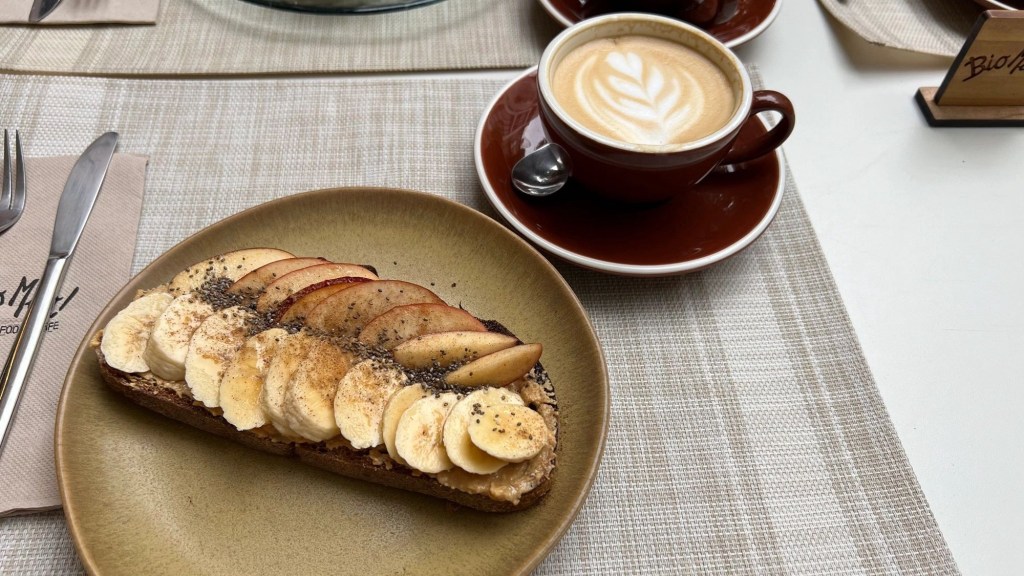
Last night I found a place a few steps from our Airbnb called Biomio. It’s an organic food spot with outdoor seating, and it was great. Two of us had the peanut butter toast with apple and banana, another had almond butter fruit waffles, and then there was a cappuccino, an earl gray latte, and a tumeric latte. Everything was delicious and quick. Can’t recommend enough for a healthy breakfast.


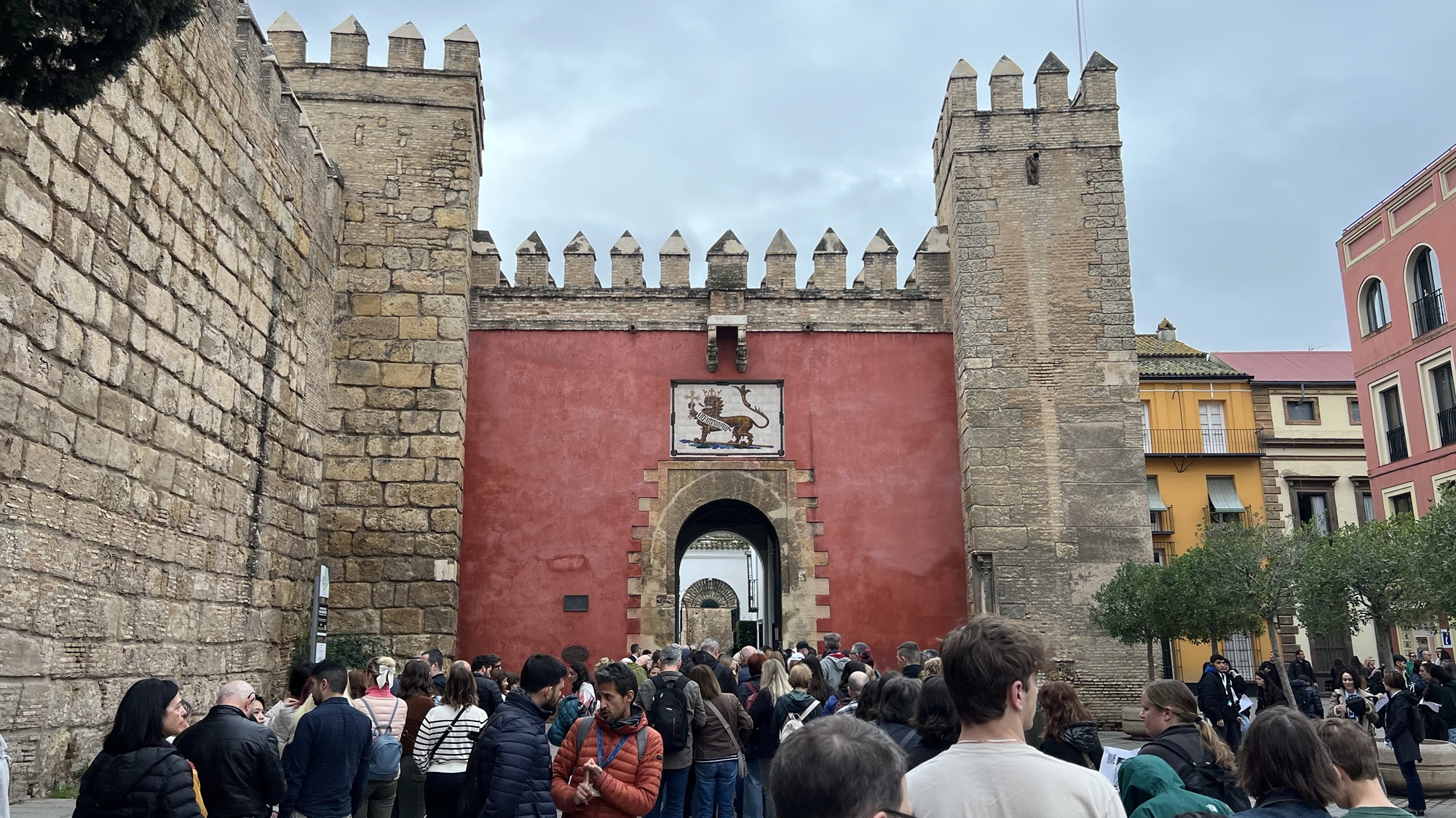
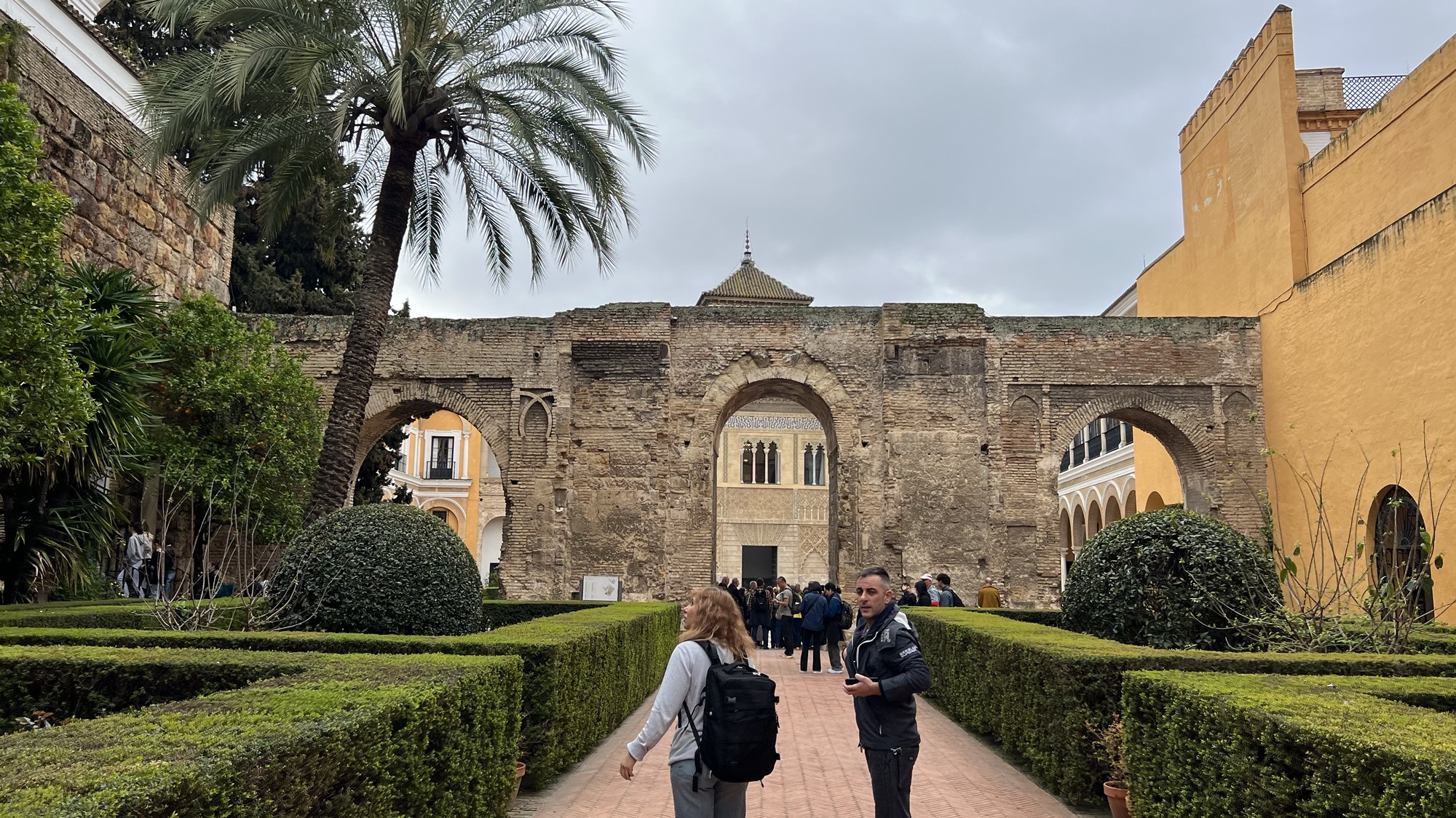
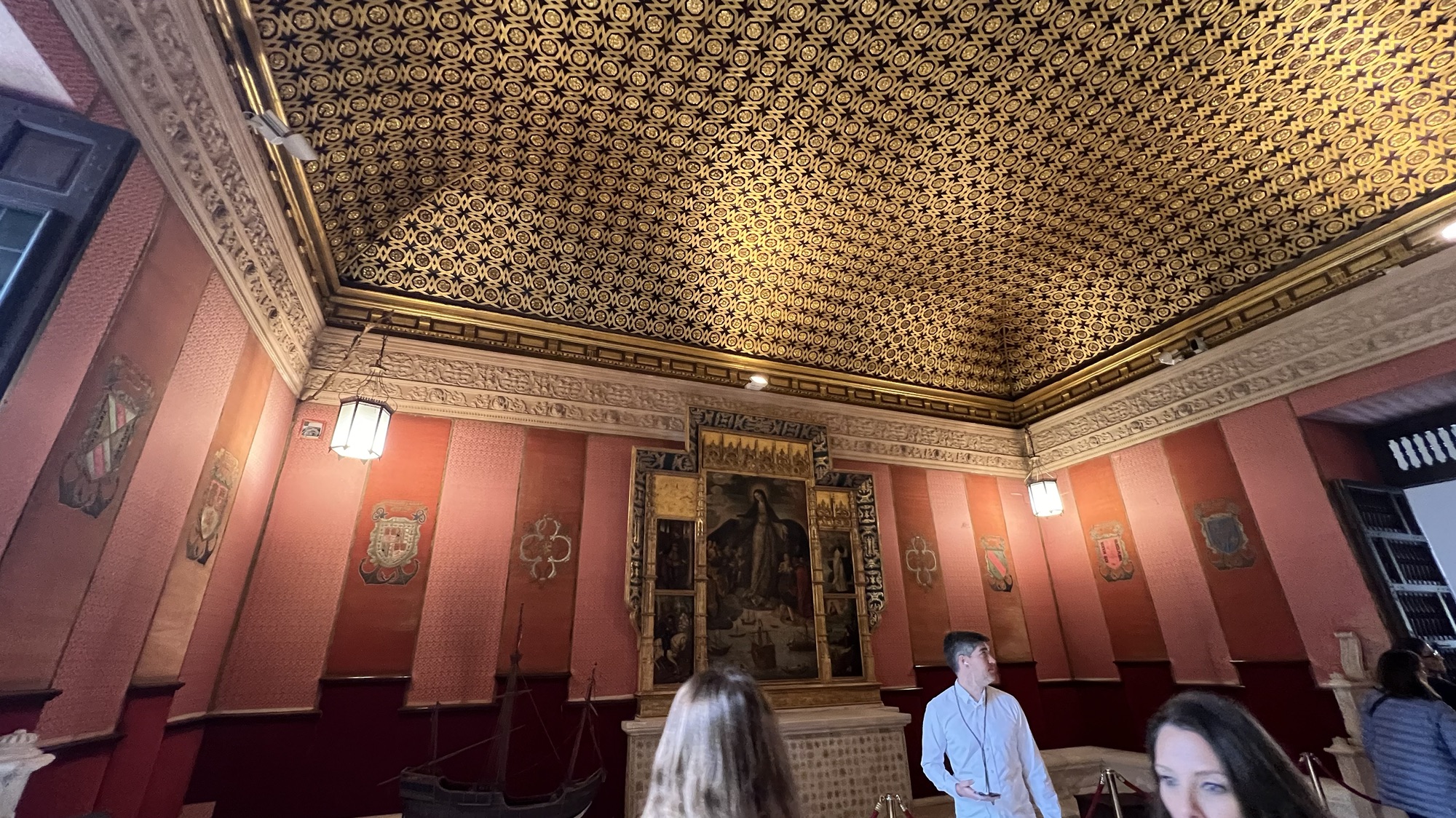
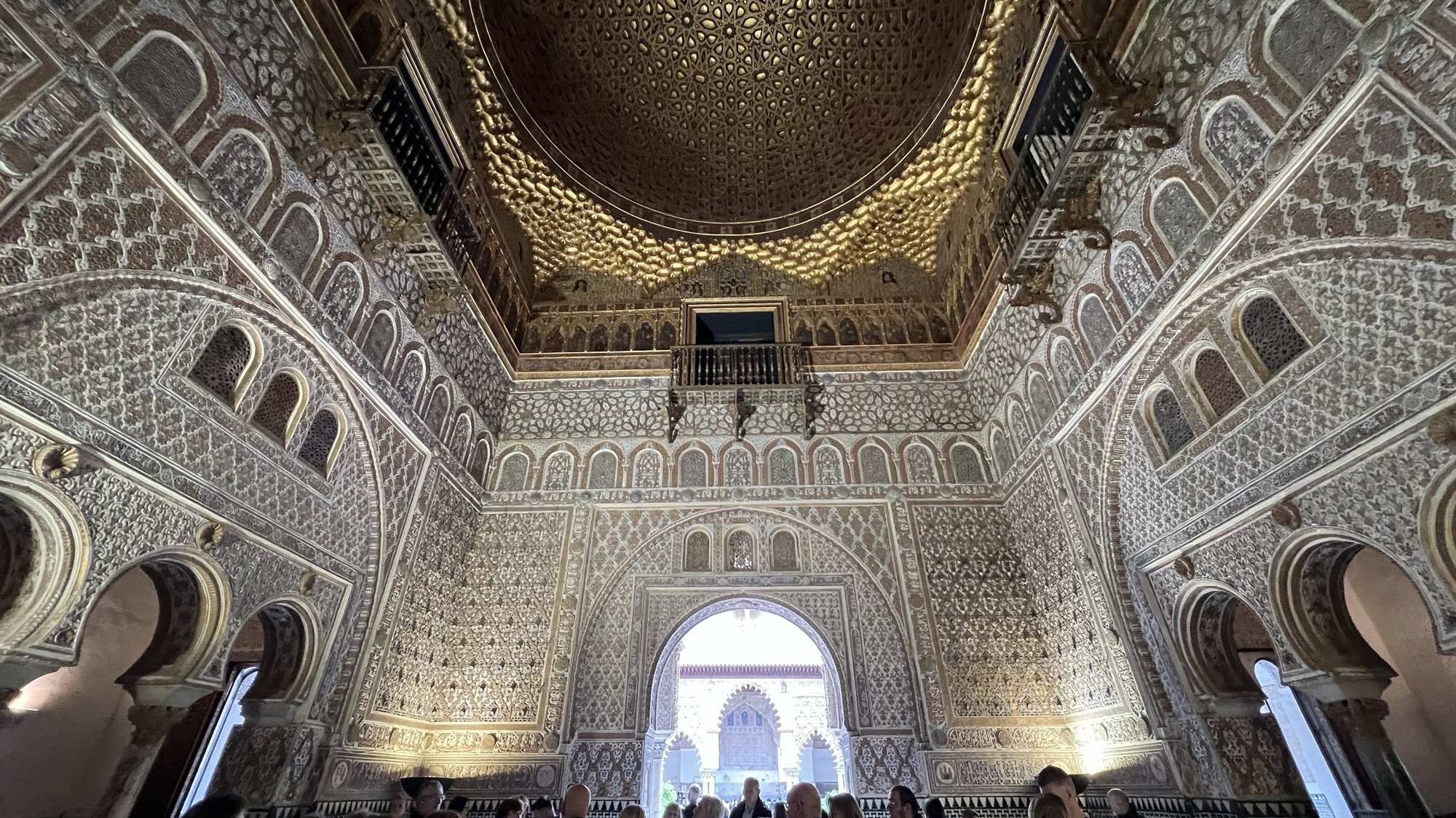
Our first stop was at the Alcazar, a historic royal palace in Seville dating back to the 10th century. It was added onto and improved as it was handed from royal to royal until present day. It’s been the site of many world changing events, including being the site where Christopher Columbus was given approval to sail to the New World.
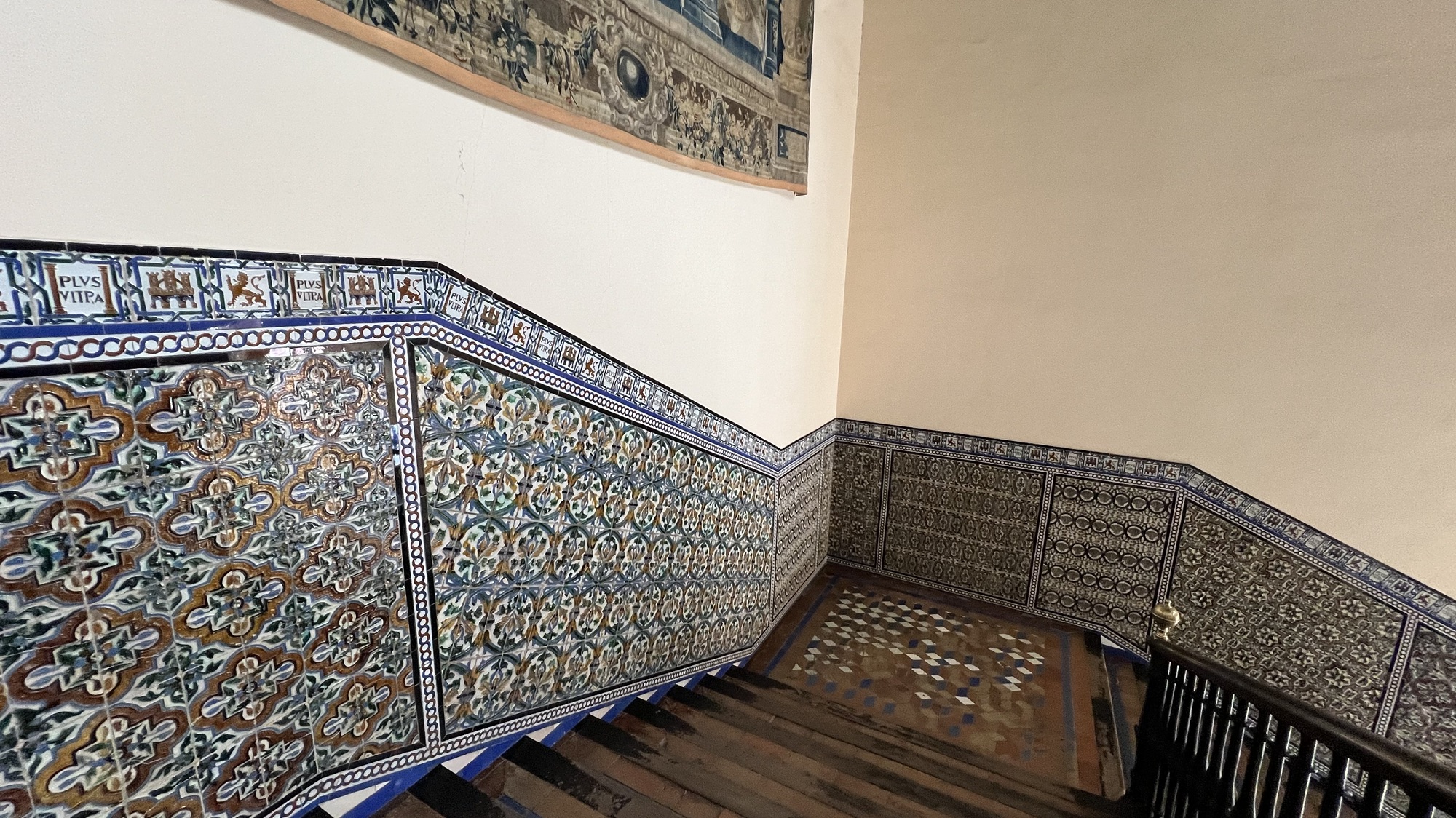
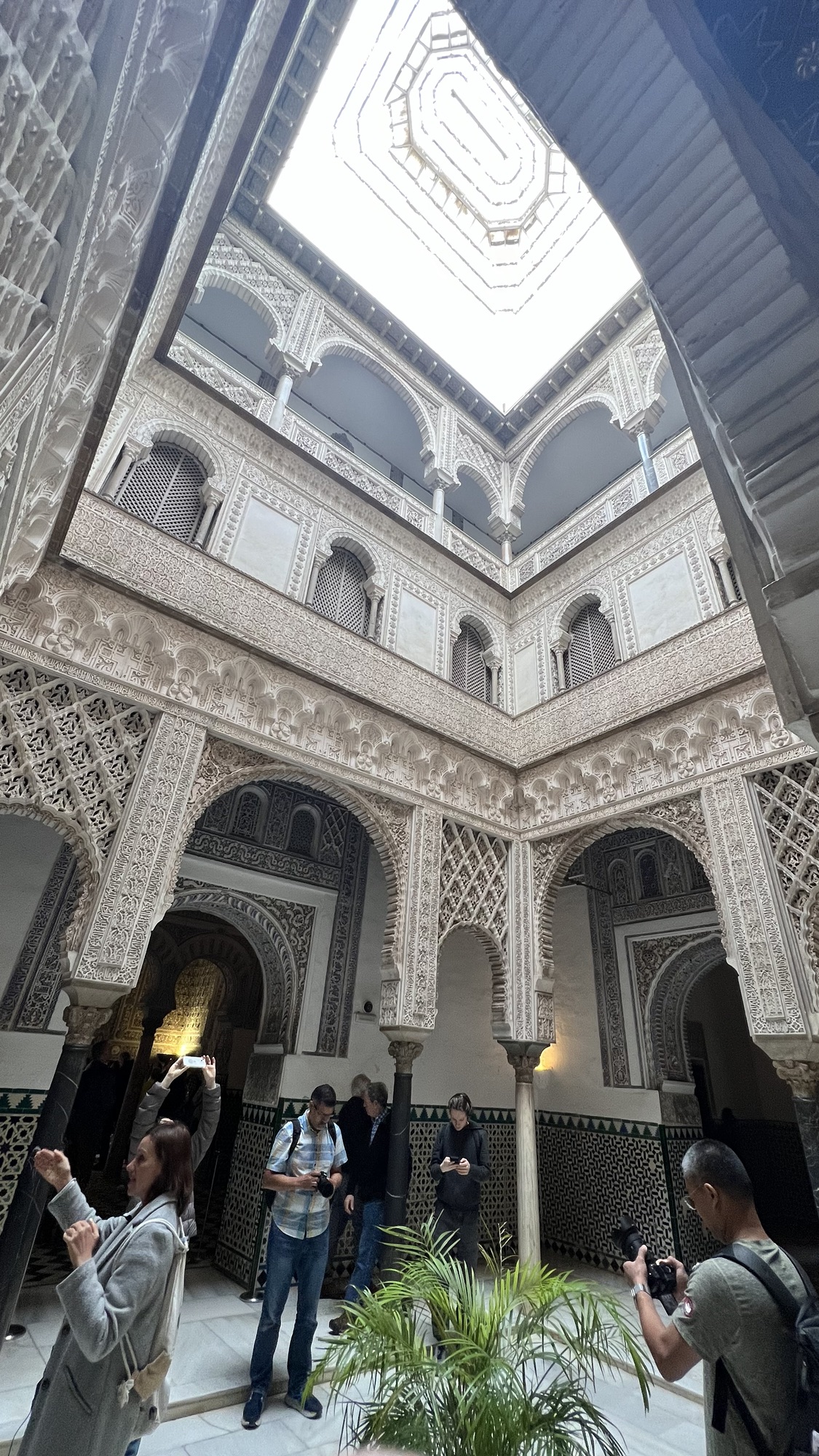
The structure is rich with history of all forms: architectural, figures, and events. Those forms don’t even adhere to any one specific origin. The name “alcazar” is pronounced with a “th” in the place of the “z” and is a Spanish interpretation of the Arabic word Al-qasr, which means “palace.” The architecture has heavy Arabic influence, often tied to a Gothic structure. The building, like many others we saw today, seem like they could be dropped in Morocco and no one would be surprised. Thats likely because the ornate tile work many of us associate with Northern African cities is actually something that originated here in Spain’s Andalusian area. It makes sense since a boat ride to Africa from here is quite simple and short. The things you can learn on a vacation…
We had a little time kill before our next stop so we headed back to the apartment to relax on the roof in the sun. The weather here has been amazing, which is nice because we’ve learned that summers here are brutally hot and humid. Looks like a March visit was smart.
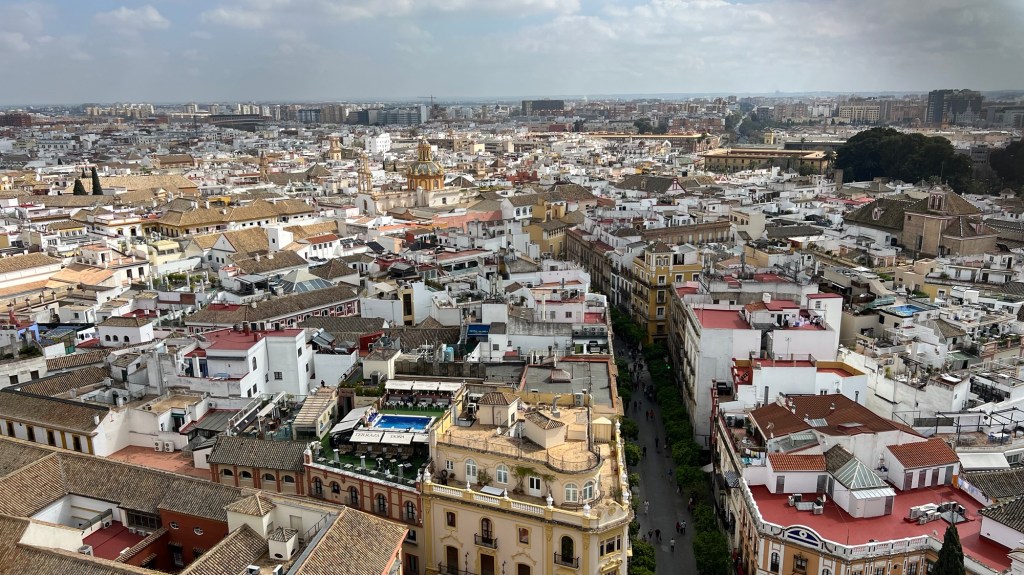
The Seville Cathedral, visible from our rooftop patio, started as a mosque in the 800s AD. After Seville was conquered by Ferdinand III in the mid-1200s its conversion to a Catholic Cathedral began. Over the centuries the roof has collapsed a couple times, likely the result of earthquakes which are common to the area. La Giralda, the bell tower, formerly the minaret, was severely damaged in the 1300s by an earthquake but rebuilt on what was believed to be an earthquake-proof base. The building has never been damaged by an earthquake since despite numerous large damaging events. The view from the top of La Giralda were quite impressive.
The inside of the Cathedral is equally impressive. It is as ornate as you’d expect, and celebrates everything from small nuances of the Catholic mass to life of Columbus as it contains some of remains in a detailed memorial.
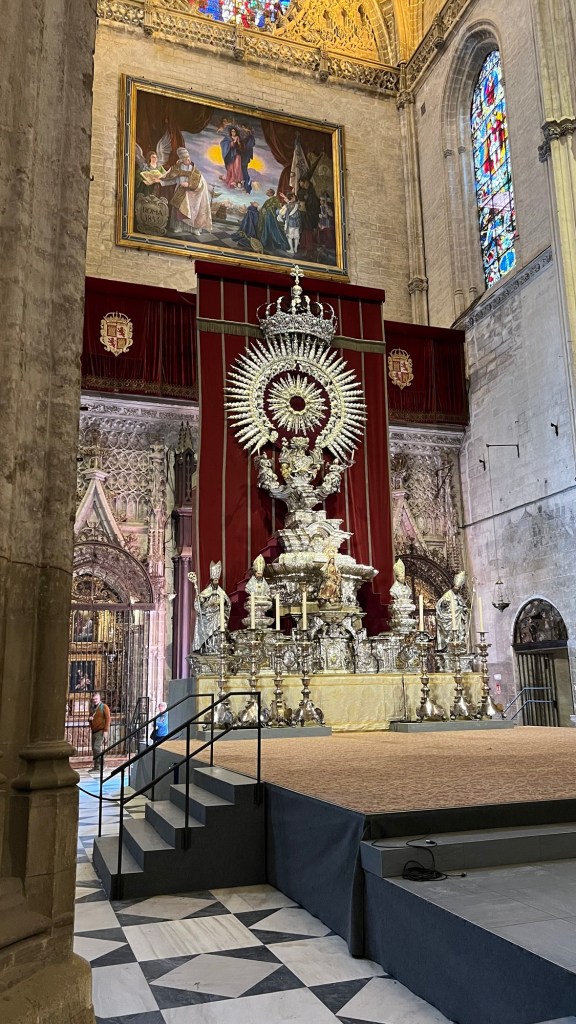
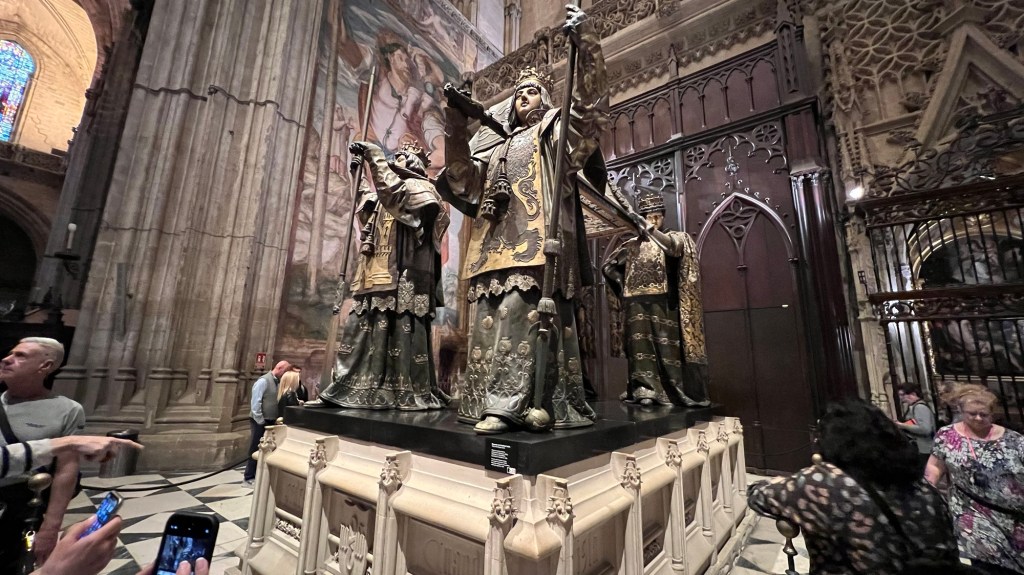
The most unexpected item in the cathedral was the crocodile. Yes really. Apparently in the orange garden there used to be a Nile Crocodile, a gift from an African ally. The King loved it so much that when it died, he had it stuffed, and it still hangs in the building today.

Between the walk up the tower and all the history, we were hungry. Shocking I know.
We found a spot right near the Cathedral in a swanky little hotel and went and sat down. Some very traditional foods – Spanish tortilla with iberica ham, paprika cured pork loin, veggie paella, and sangria – plush a fusion item of sriracha patatas bravas. The food was amazing. The paella was traditional, so it took about an hour. But it was served with really aromatic spices and tasted delicious.
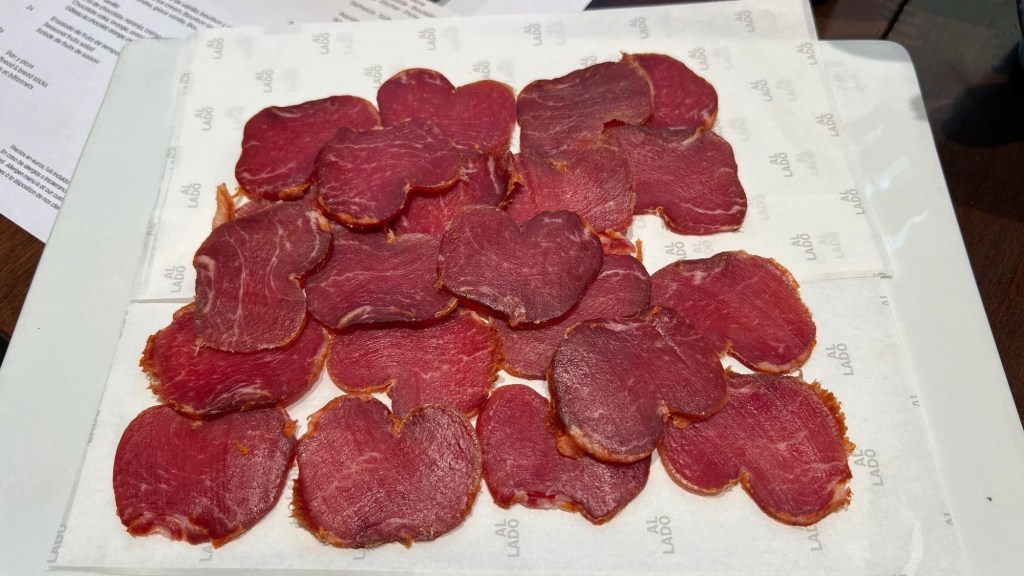
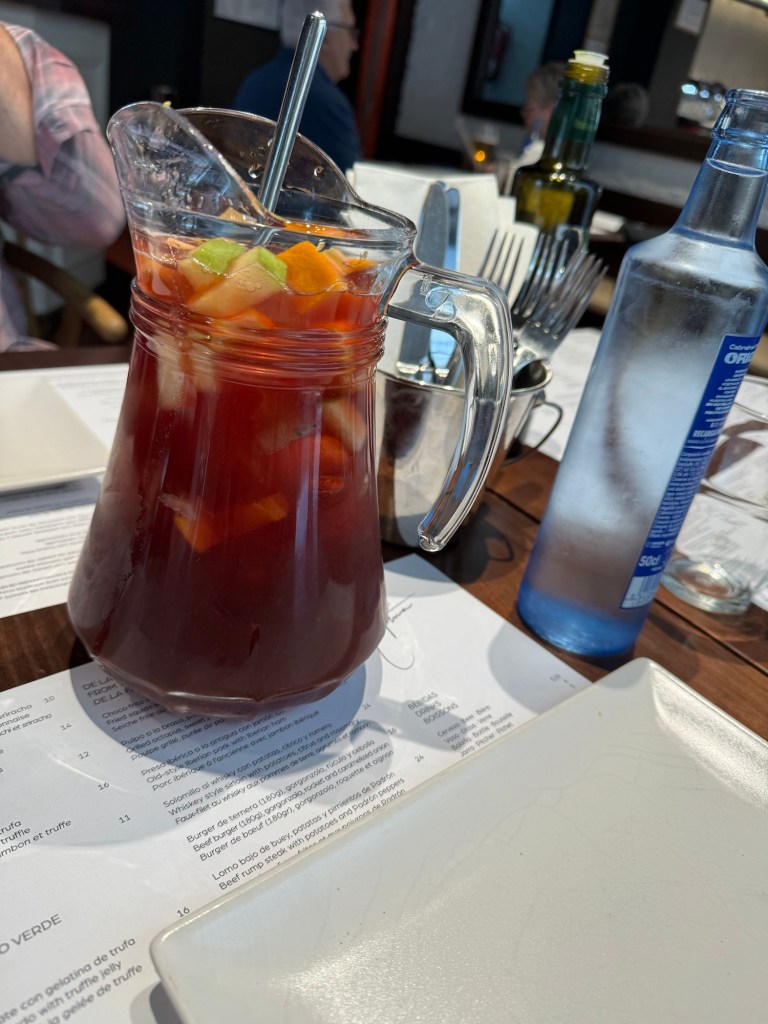
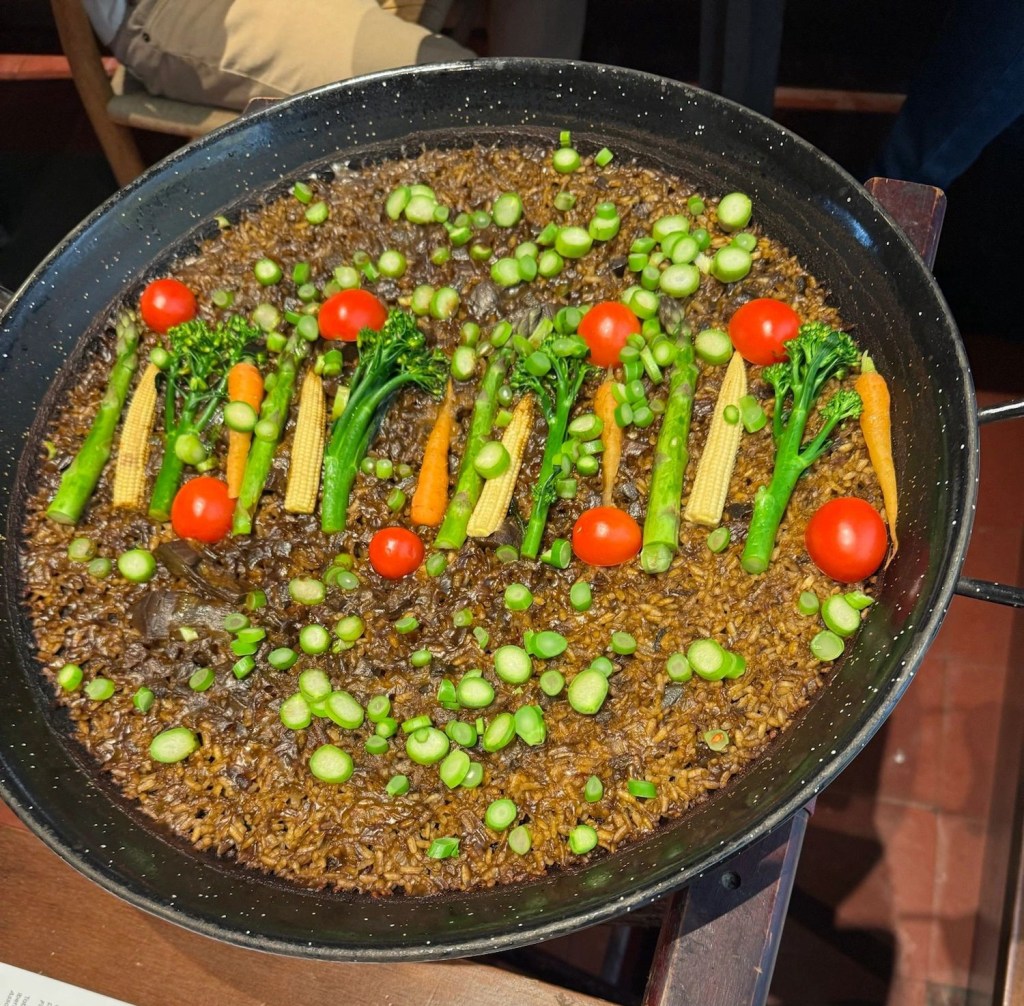
We got so lost in our meal that we were running a bit behind for our next stop. But it was okay the ticket made us think that we could enter anytime after our stated time. Or it was a tour. That we were late to join. Oops. The food and sangria were worth it.
With construction starting in 1483, the Casa de Pilatos is very old and in a tightly packed part of Seville. It is often viewed as a prototype Andalusian palace due it is heavy usage of tiles and ornate carvings. Even though we missed the first two rooms on the tour, the remainder was quite interesting. Even more unique is that the owners of house had historic ties to Spanish royalty and were sent to Italy for over a century (!!!) and shipped numerous ancient Roman pieces back to have them showcased in the house. They were even Roman frescoes installed in the home. Many were mostly destroyed during the plague due to disinfecting practices, but some remain in decent shape today.
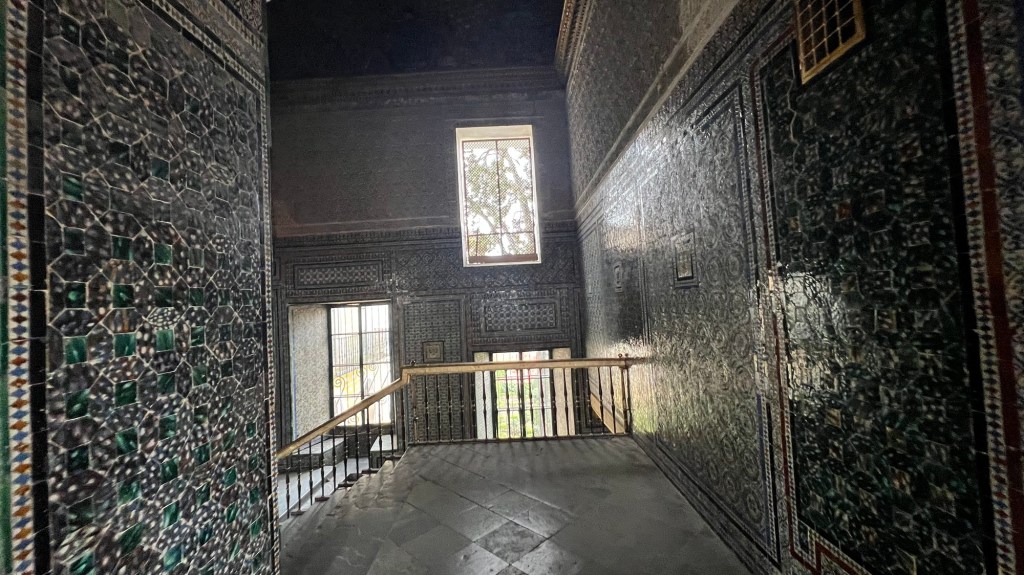
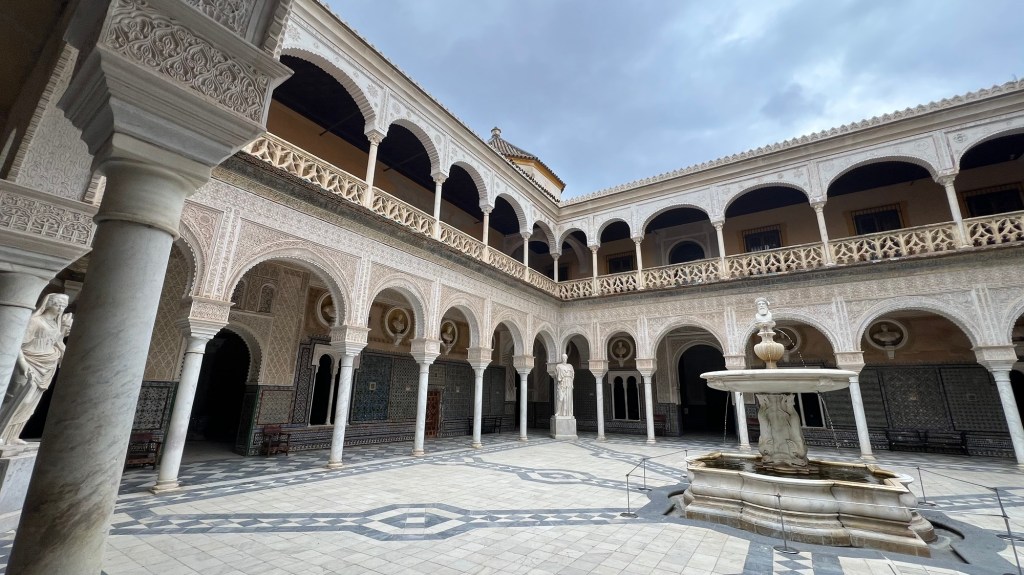
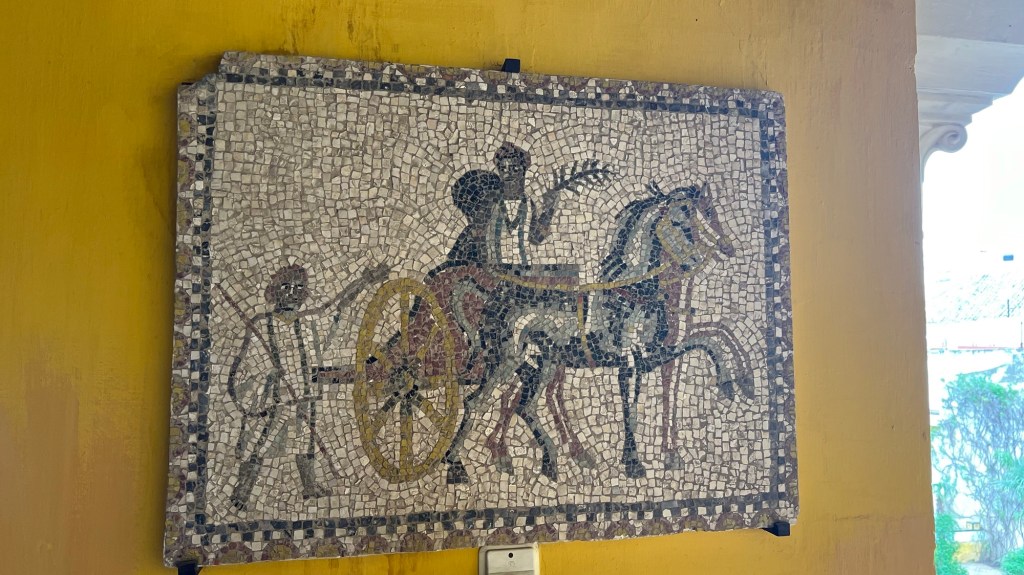
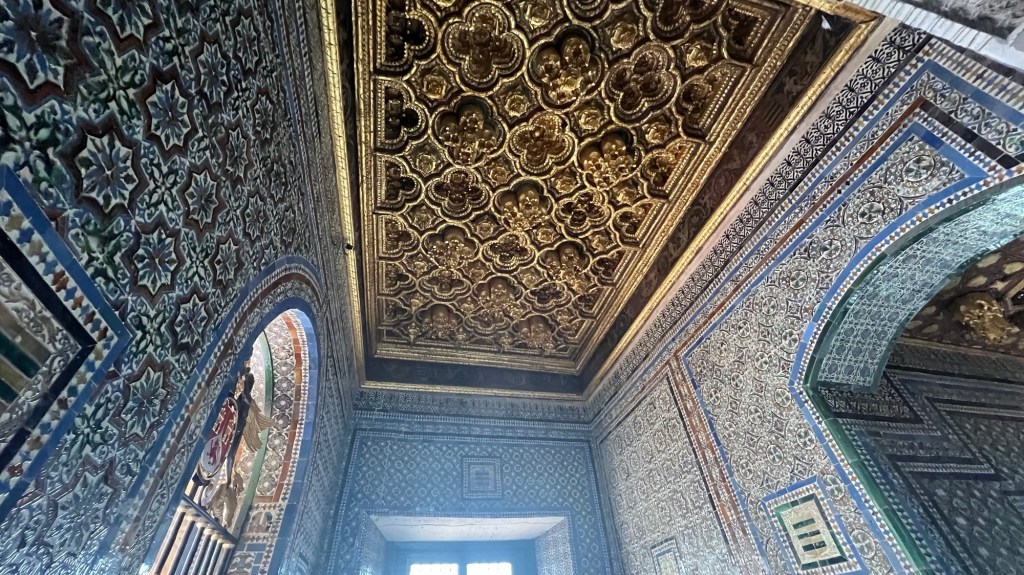
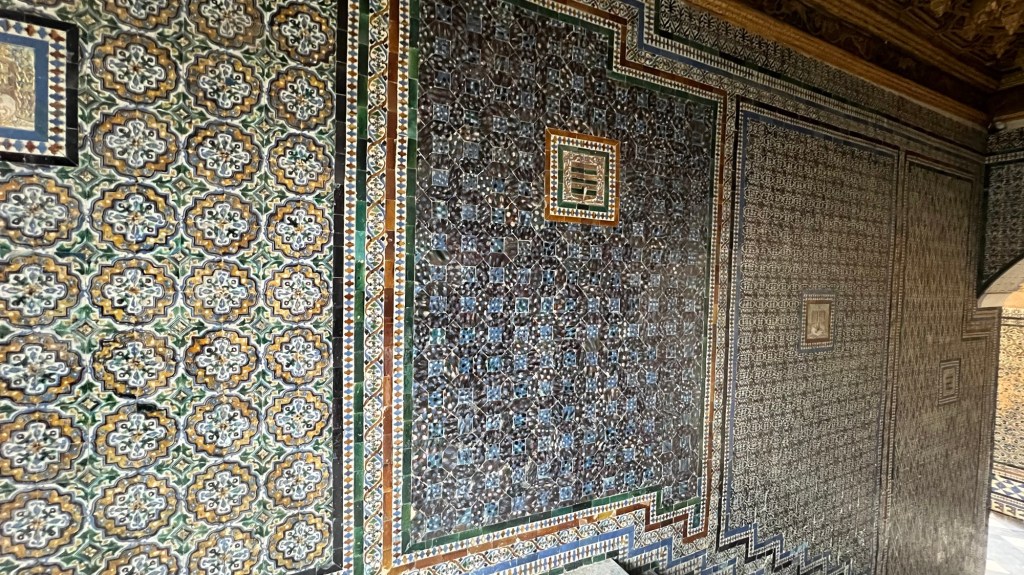
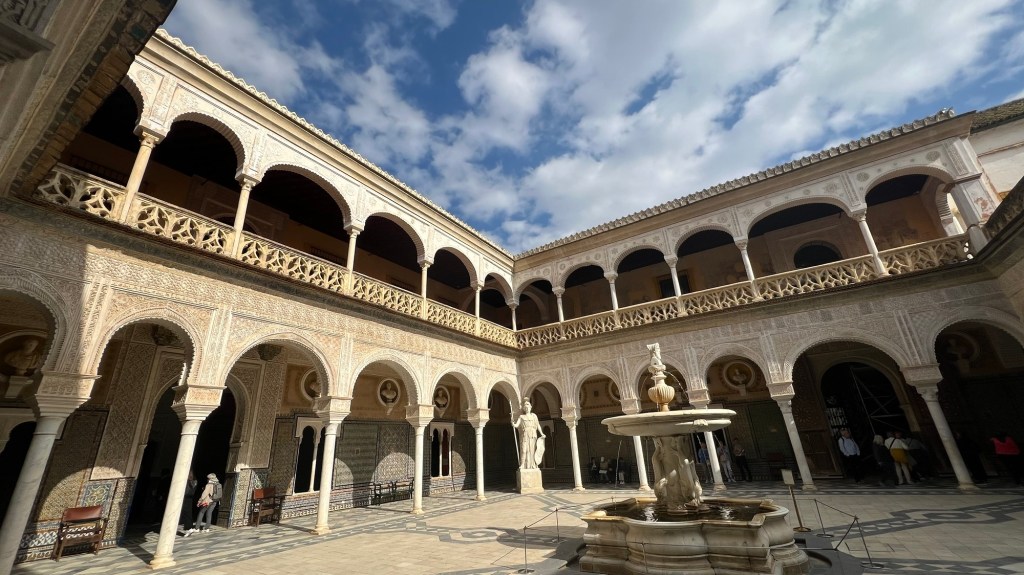
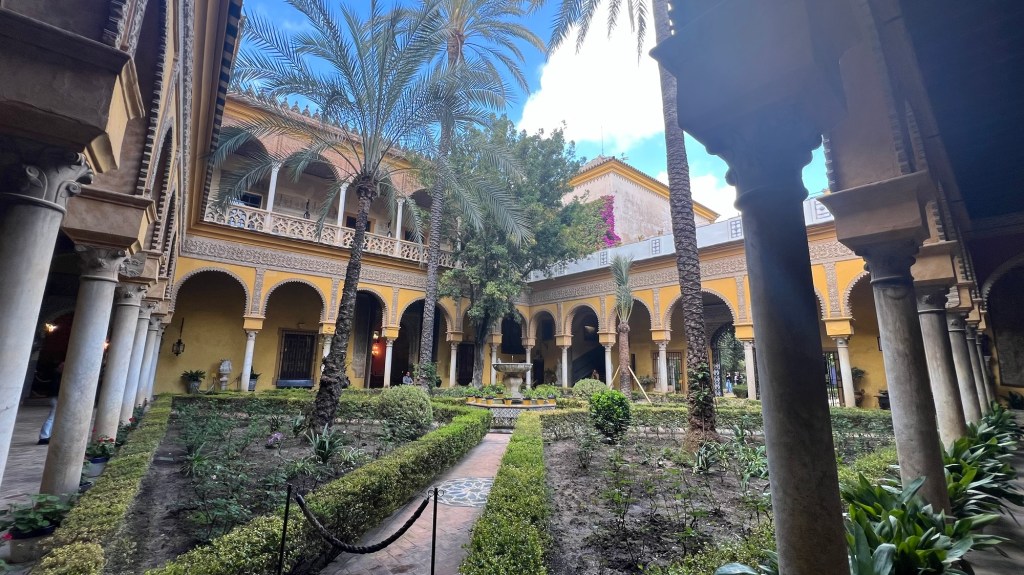
Las Dueñas is a similar minor Andalusian palace not far Casa de Pilatos. While some of it looks similar, this differentiates itself by remaining more of a modern, working, building. So yes, Amerigo Vespucci was married there, but Prince William and future King George have also spent time there in recent years. I’d love to say we toured it thoroughly, but we didn’t. We were tired and mostly focused on the gardens. I would say do one of the two houses, maybe not both. But this is how we learn.

The final stop for the day was Las Setas. This is a large art installation slightly north of the cathedral that serves as a park for people to spend time in the shade. It was originally called Metropol Parasol, and after seeing it, the name makes sense.
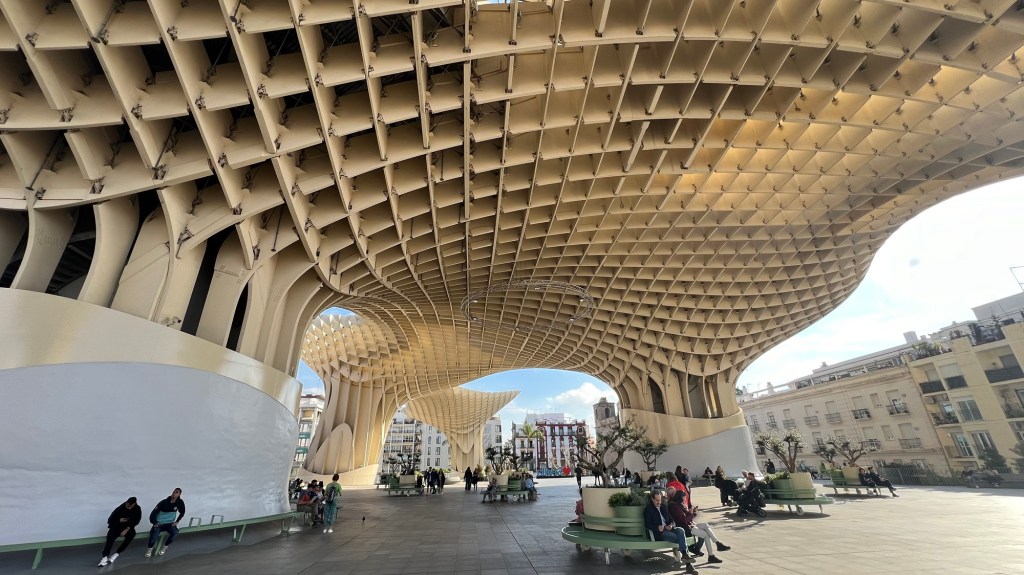
While we sat and enjoyed the shade we were talking about how refreshing it’s been to see these city parks filled with people enjoying themselves. Kids playing. Teenagers hanging out in small groups. Young couples having a picnic. What we didn’t see were any of the things that are more common in some big American cities like homeless, garbage everywhere, and drug paraphernalia. I have to admit that it wasn’t an awful change.
Totally worn out, we walked through Seville’s retail district to our apartment to relax for a bit before dinner. We are changing it up and having Italian tonight. This area is full of Italian influence so we figure it might be time for some pasta and Italian wine.
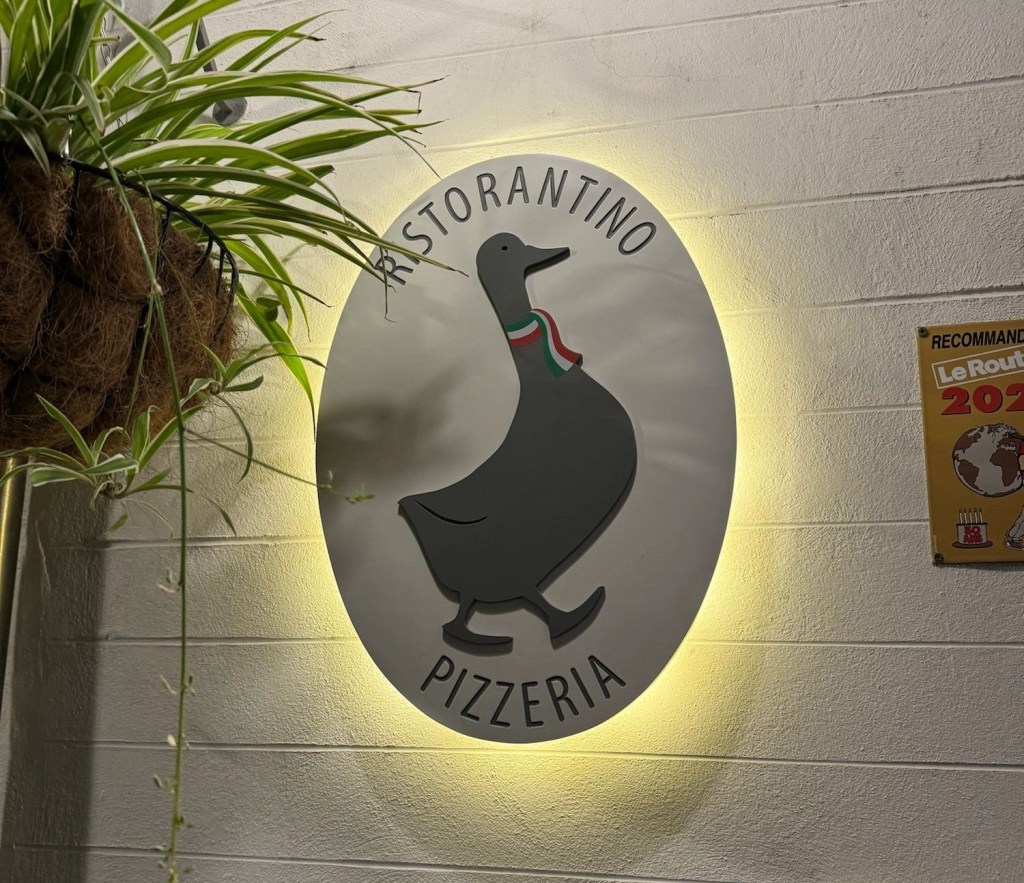
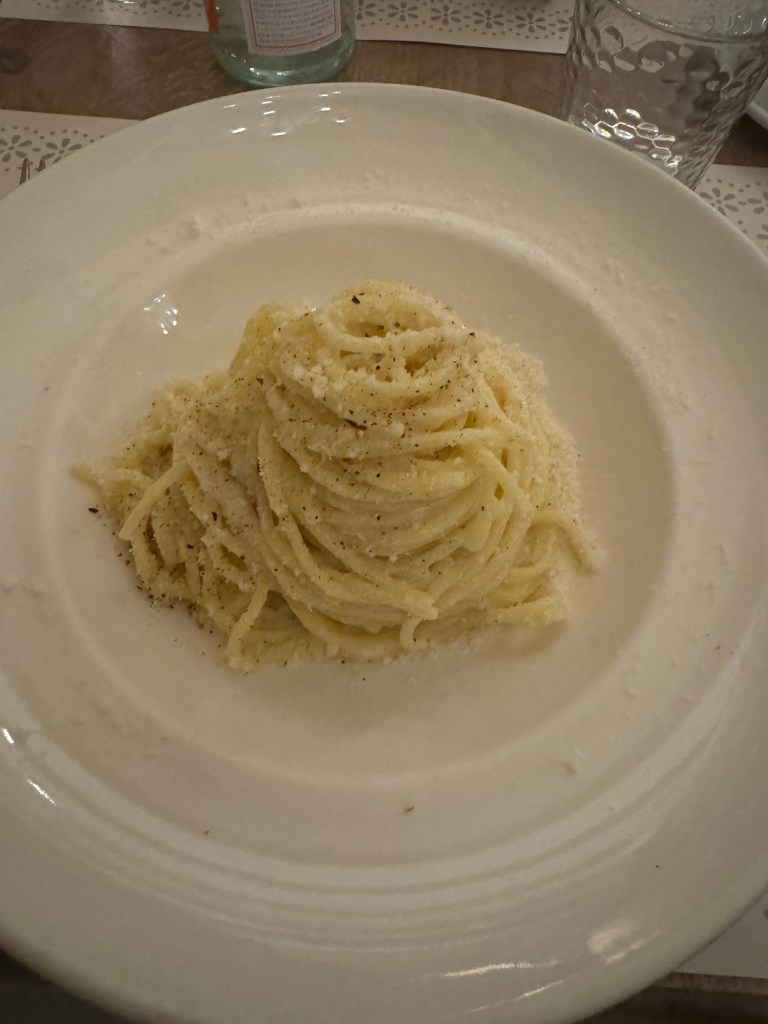
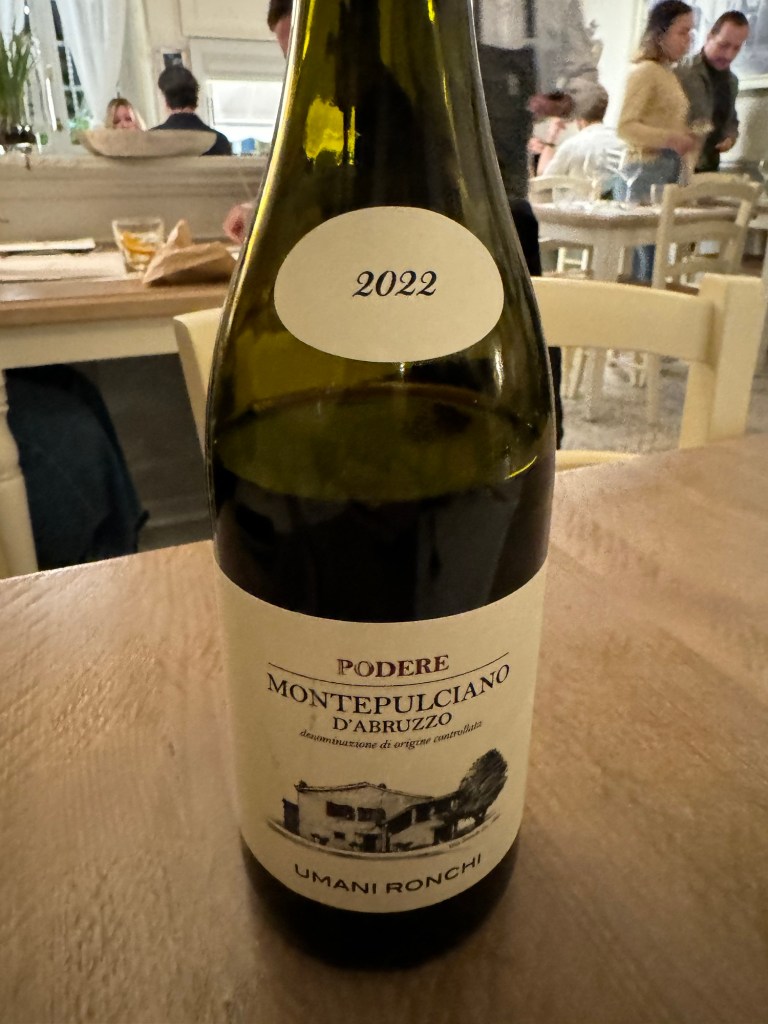
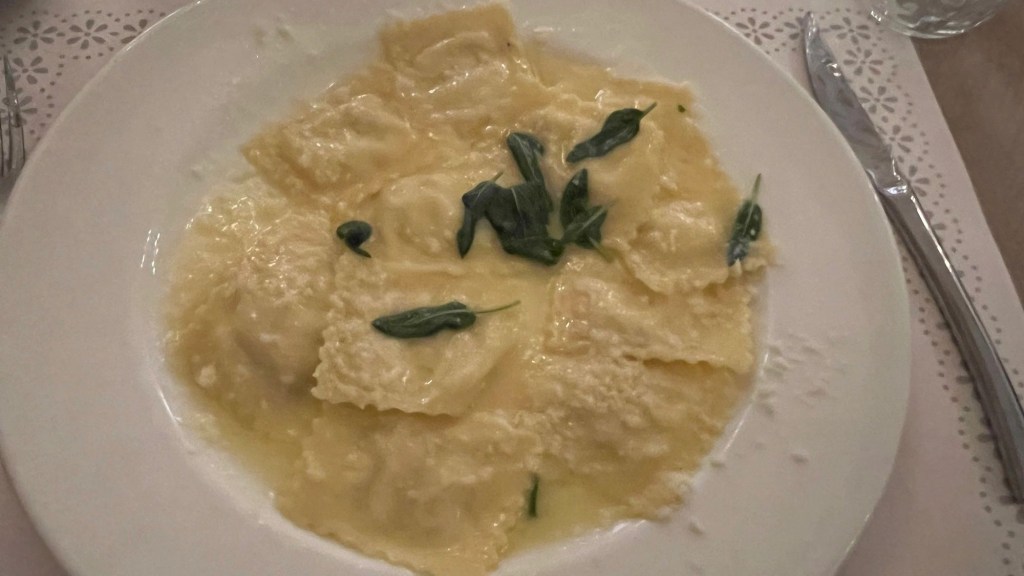
Dinner was at Oca Giuliva, just a few steps from our apartment. It was very traditional Italian and the food was great. Thengirls both had cacio y pepe while I enjoyed ravioli with pecorino and pear in a sage butter sauce. The food was on point. A little warning about the pre-meal olives having pits would’ve been nice, but that’s an operator error on my part. For wine we had a bottle Montepulciano d’Abruzzo, something we learned all about this time last year while we were staying there.
After dinner, gelato was a must. But our place was closed! It wasn’t supposed to be. But it was. So we walked a little further and went to one that markets itself as being all natural. Well, let me tell you, all natural and healthy might work for breakfast, but the gelato wasn’t the best. Not a real complaint, more of an observation.
Tomorrow we take the train back to Madrid to get ready for the flight home on Saturday. This trip has already felt like we’ve been gone forever, but also seems all to fast at the same time. But I guess that’s to be expected by now.

 The Life and Times...