
Before anything else, I have to say that today was a day of learning new things. It was a full of information about the Netherlands, it’s history, life, and the details of the flower business.
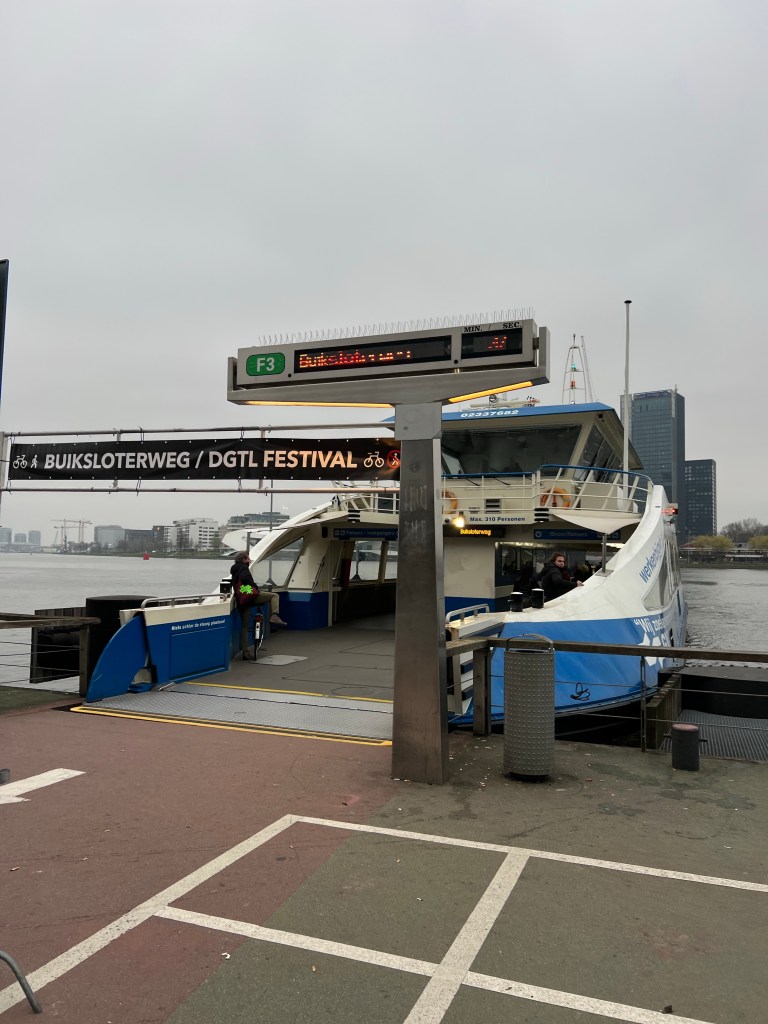
We had an early start this morning because we had to grab a ferry to our departure point for the tour. Fortunately it turned out that the ferry terminal is at the central train station. A quick walk through a very slippery tunnel and we walked right onto the ferry and we’re off to the bus for our tour. It helped that the Kings had left earlier than we did and had successfully communicated their reconnaissance information back to us.
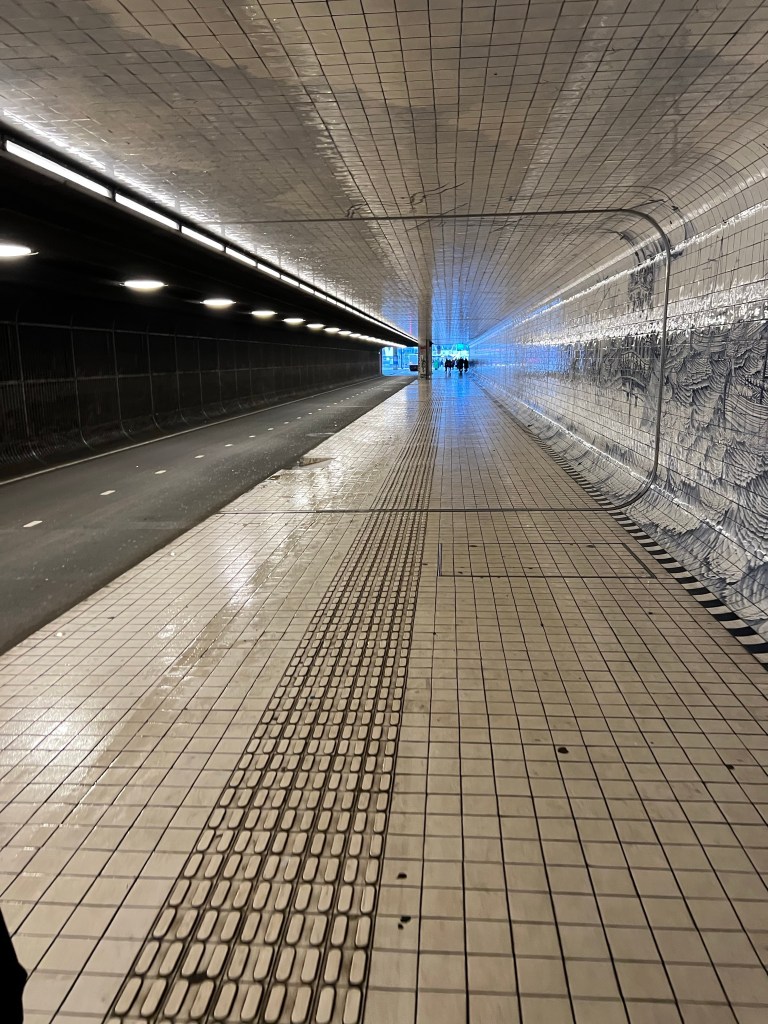
Interestingly, ferries in the Netherlands are free. If there is a ferry, it is because the government built a tunnel or something other than a bridge that can’t be used by cyclists and pedestrians. Therefore, to be fair to the public, ferries are free. Mind blowing concept: a government that wants to serve its citizens and enable their lives…
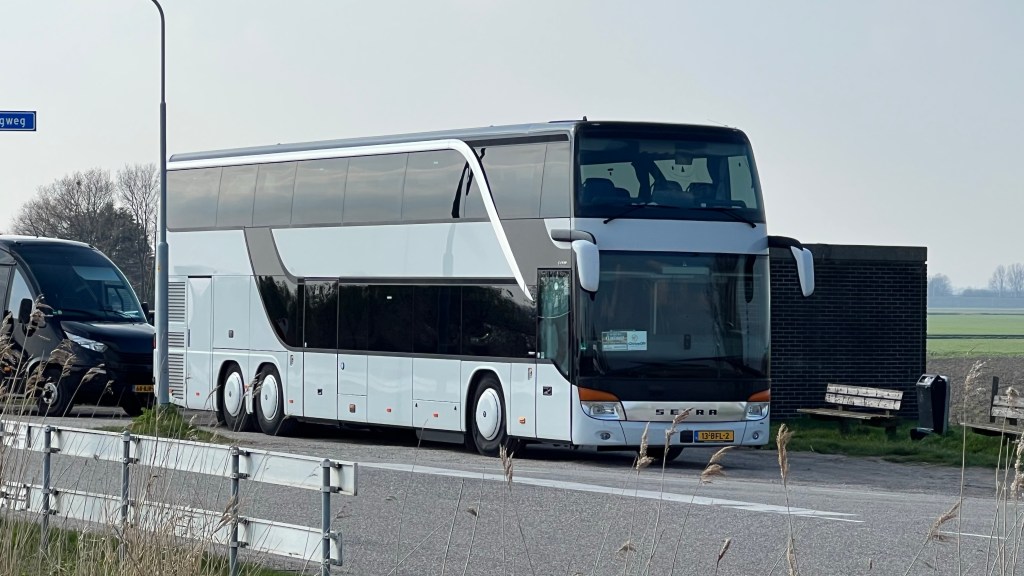
We checked in almost 20 minutes early, caught up with the Kings and hung around until it was time to board our bus. It was a double decker luxury cruiser and we were lucky enough to get seats up top where we could see. Our driver/tour guide was a nice enough guy named Peter, but he had an obvious fear of silence and couldn’t bring himself to be quiet. At all. And we were scheduled to be using him for rides from 9am until 6pm…. Compounding his ceaseless narrative was the throbbing pain in my head from smashing it on the luggage shelf over the seats on the upper deck of the bus. Considering the Dutch are generally recognized as the tallest nationality, you’d think bus design wouldn’t be based on someone who is 5’6”.
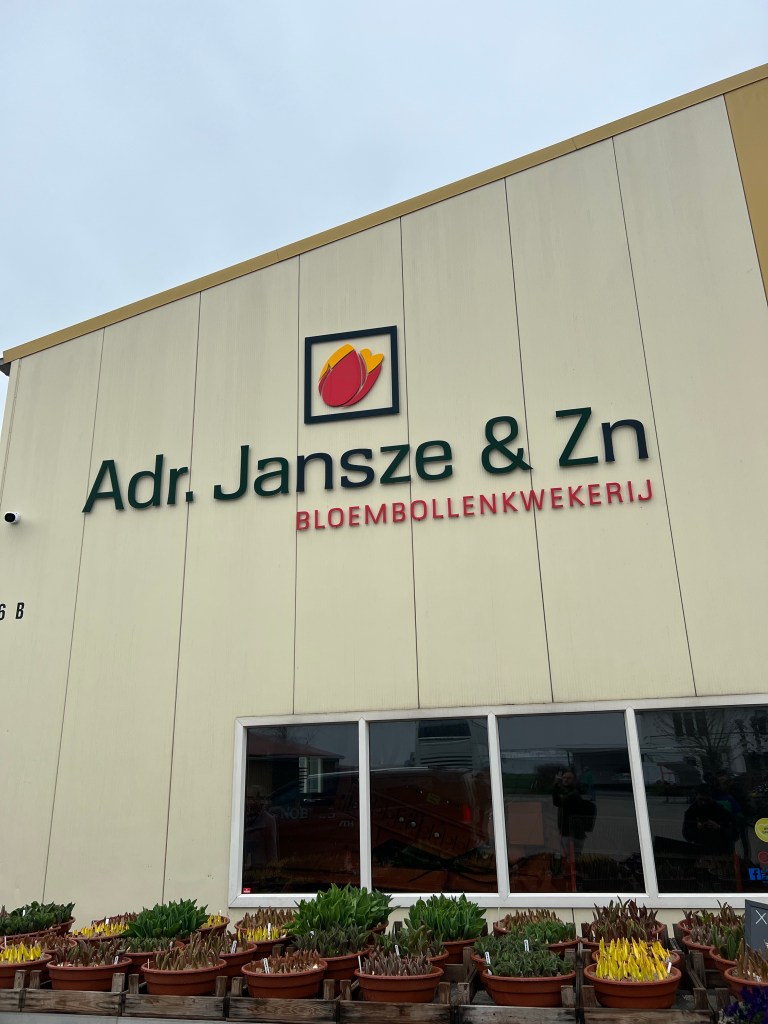
The first stop was at the Jansze and Son tulip and flower bulb farm. This was an incredibly impressive stop. The science behind the tulips and their role in the Dutch economy is beyond impressive.
Presenting to us was the third generation owner of the farm, Daan Jansze, who I’m pretty sure is the John Dutton of the tulip business. He was amazing. Great sense of humor and clearly loves his flowers. He told us that the soil is all sand and doesn’t require any irrigation because the sand is always wet due to the presence of a high ground water table. Since the country is below sea leve the real challenge is pumping out the water you don’t need… more on that craziness later. He explained bulb and crop cycling and that we were a bit early, or the season was a bit late because most of the tulips hadn’t bloomed, which is why daffodils and others are so widely featured. He also informed us that he hoped we bought a lot of bulbs and mishandled them so we’d have to pay him for more. Hard not to laugh, and the matter of fact nature of his Dutch accent made it better.
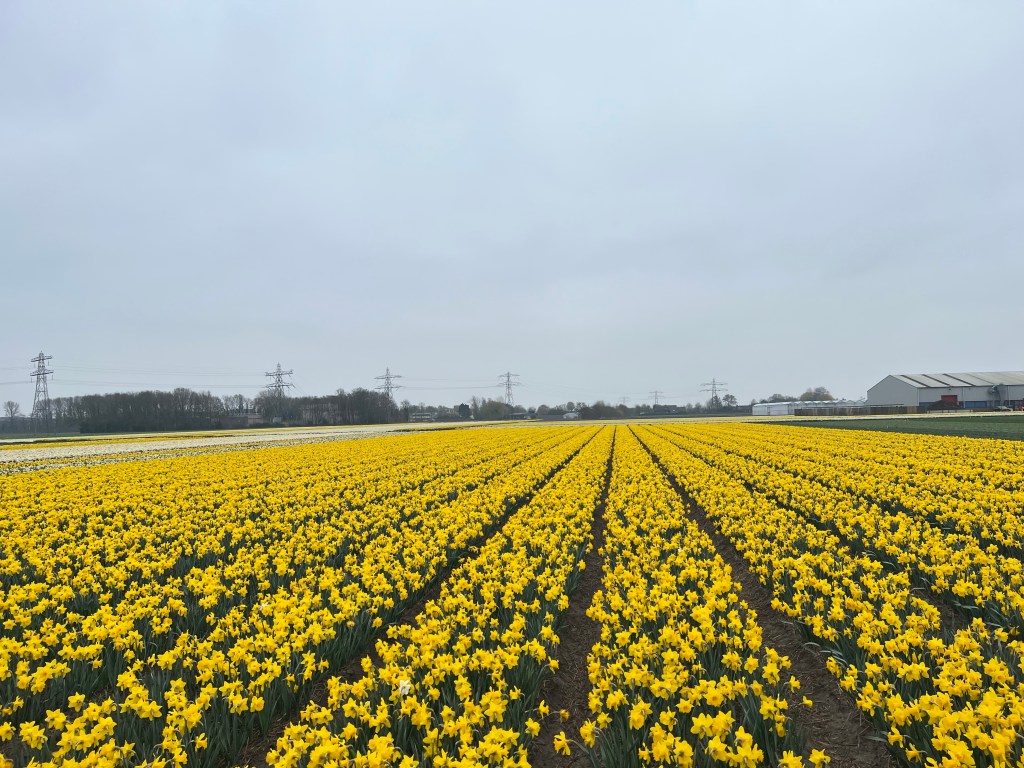
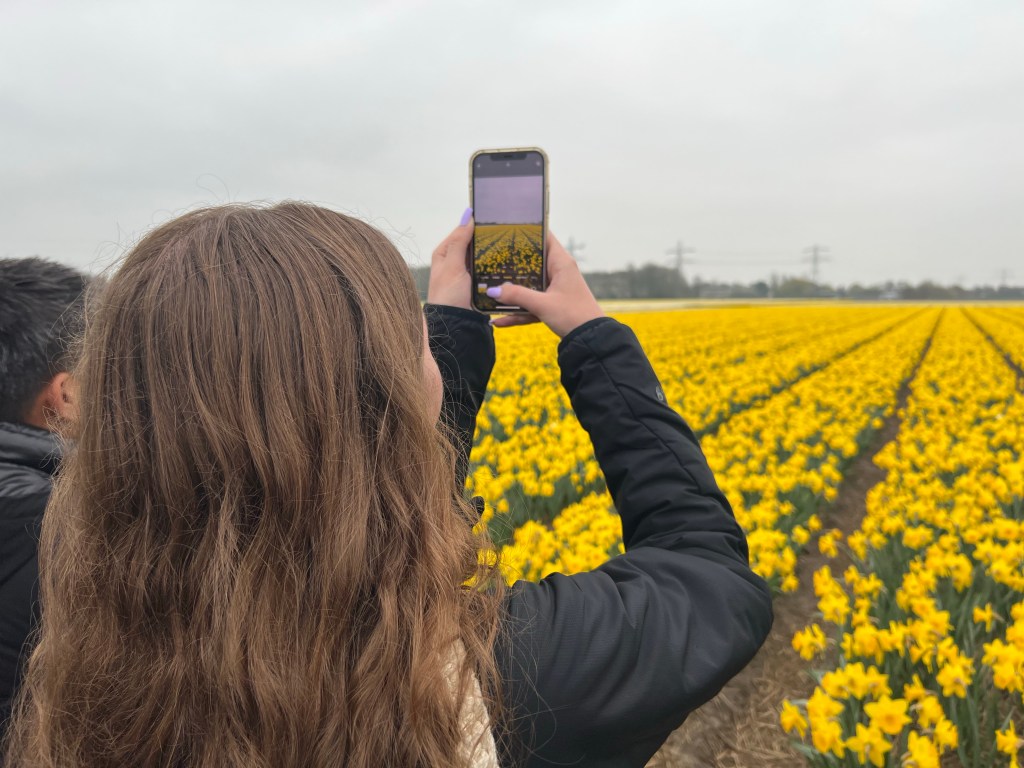
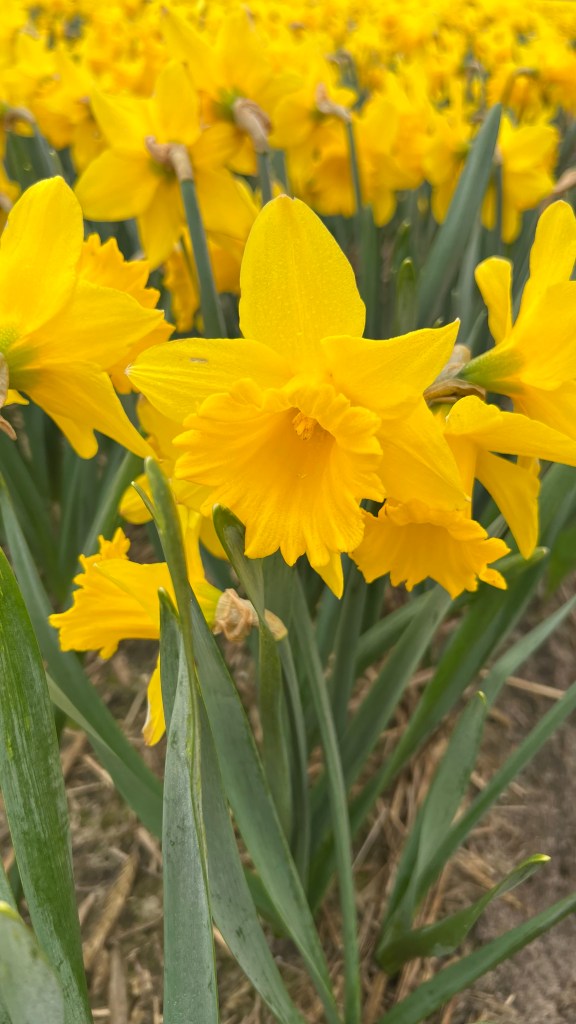
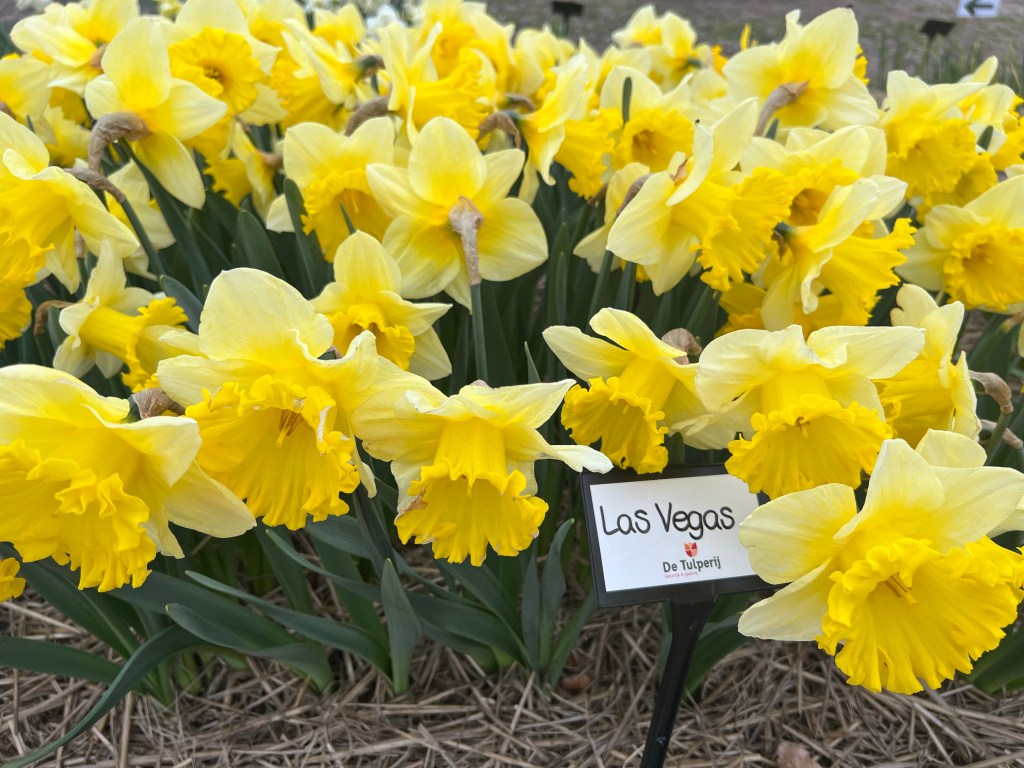
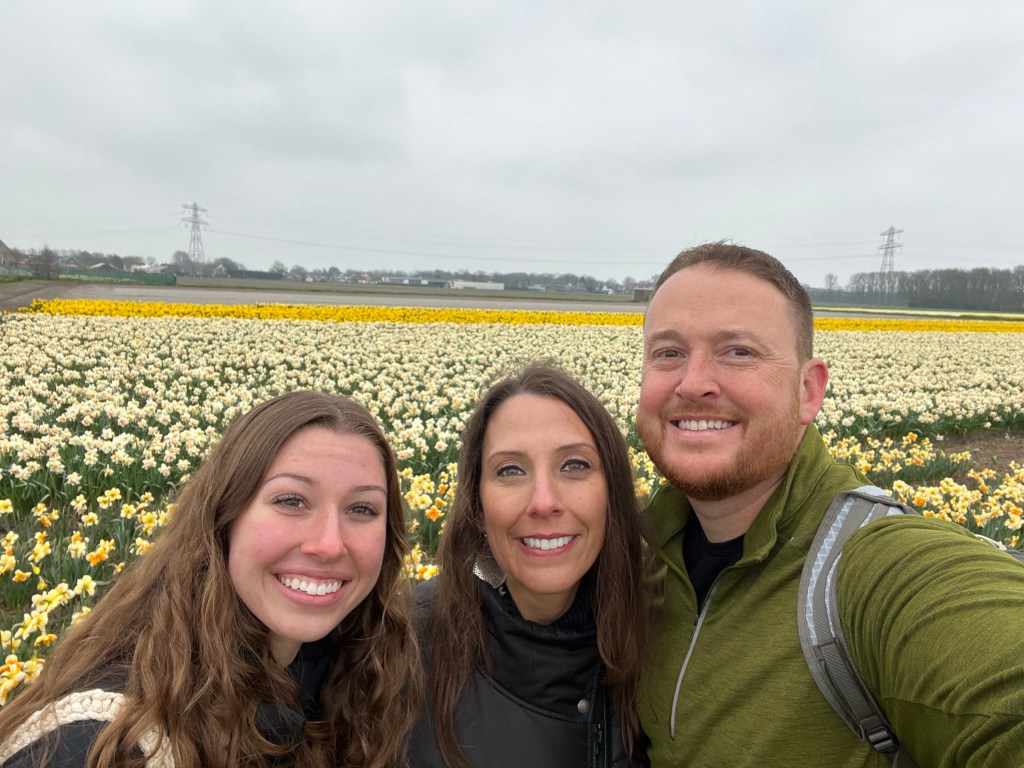
Later on we learned that tulips and bulbs play a huge role in the Dutch and global economies. €681M spent on just tulips and bulbs last year, comprising 62% of all bulbs in the world. That doesn’t include the economic ripples from shipping and the sale on the secondary market. Not bad for some folks in a little country, that’s below sea level, who wear wooden shoes. So while it might seem a little silly, those are big numbers.
From the farm we made the short drive, by distance, to wait in a long line of traffic and get into Keukenhof. Imagine if Disney had a resort for just flowers and decorative presentations. Then imagine it was in Lisse, Netherlands. And finally, imagine more tour buses than you’ve ever seen in one place. All of those things at once. That is Keukenhof.
The number of people was astounding. The place is only about six weeks a year, during the bloom. The rest of the year is spent prepping. So you can imagine the influx of people for those six weeks. Record attendance for one year was roughly 1.5 million people. It has been rebounding since COVID, and if this day was any indication, that record isn’t safe.
All that said, and even not being a flower nut, I get it. The grounds and decorative plantings were beautiful and perfectly done. Not everything was blooming, some of the tulips were delayed, but the overall experience was quite impressive. And the handling of the crowds was quite good. Or maybe it was just that people were courteous. Maybe both.
We wandered for a few hours and a couple miles taking pictures, including a break for lunch. I’d post everything but that would be crazy and refute the above statement of me not being a flower nut. It was hard not to take pictures. The colors were perfect and I found myself wanting to be sure to remember everything just as it was. We saw maybe a third of the total park.

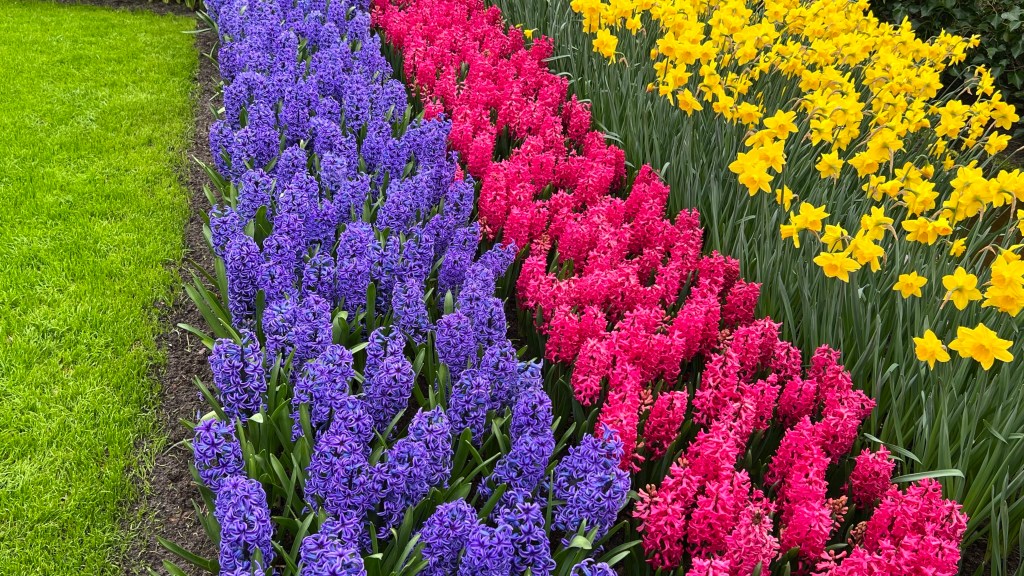
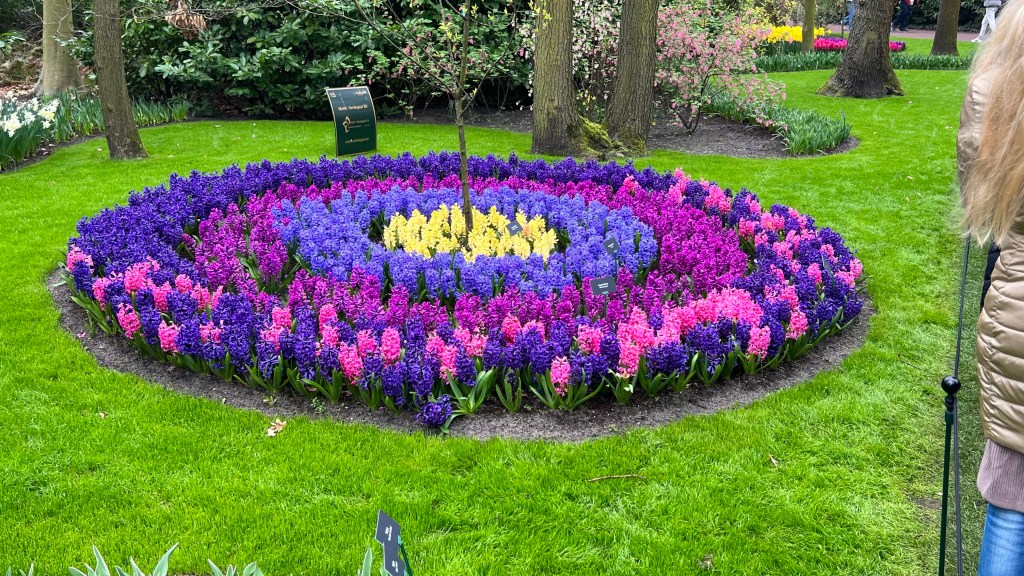
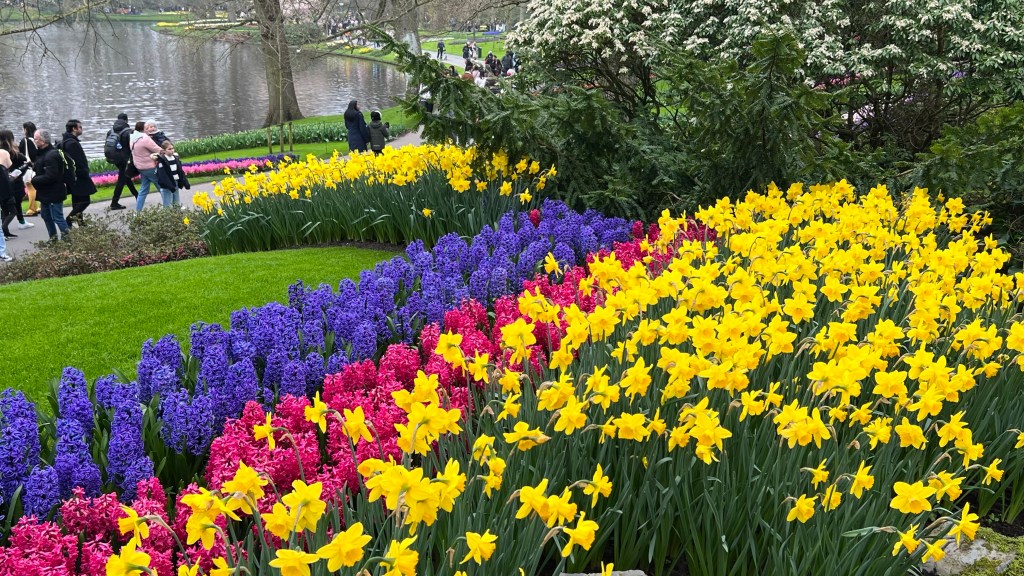

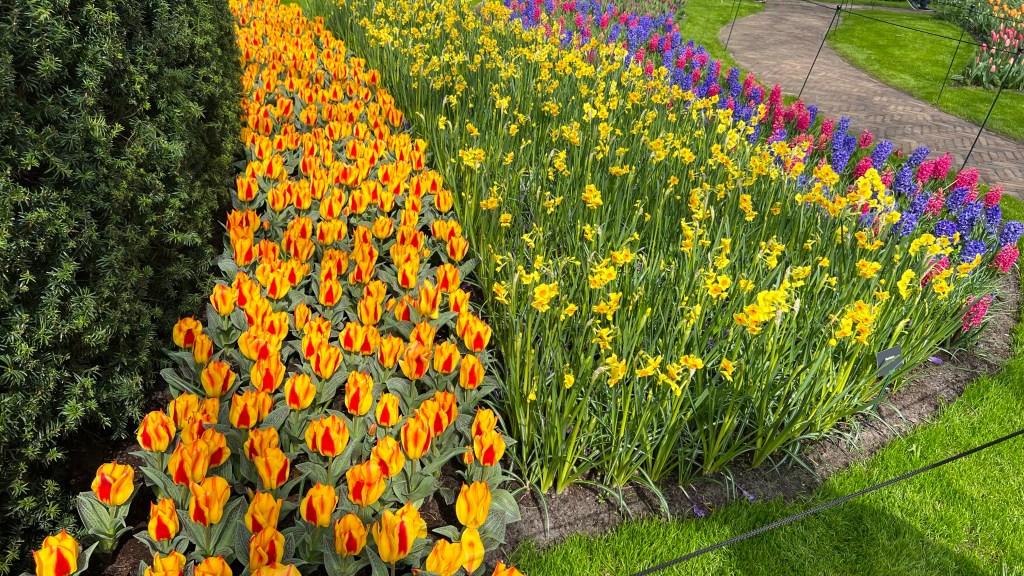
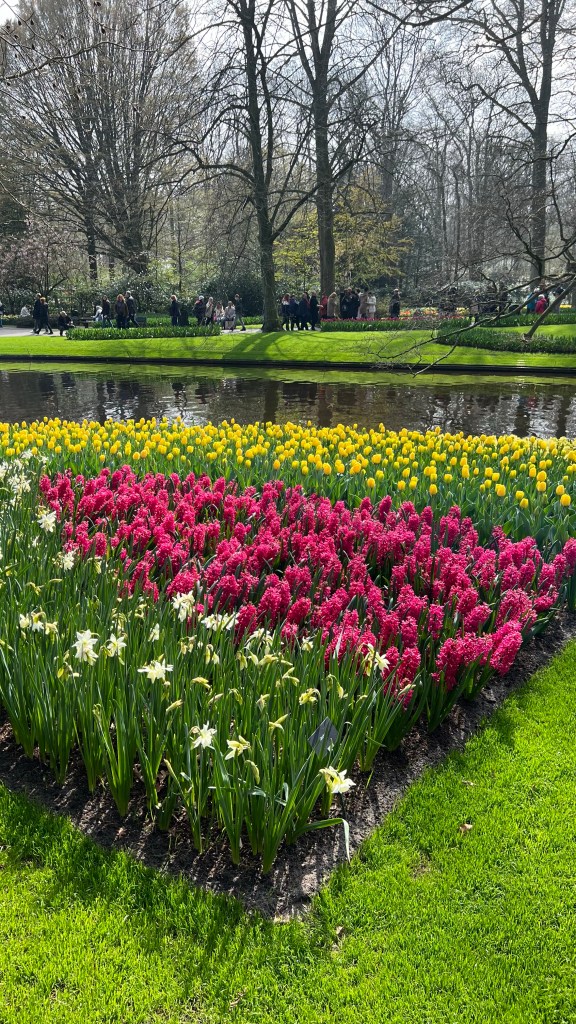

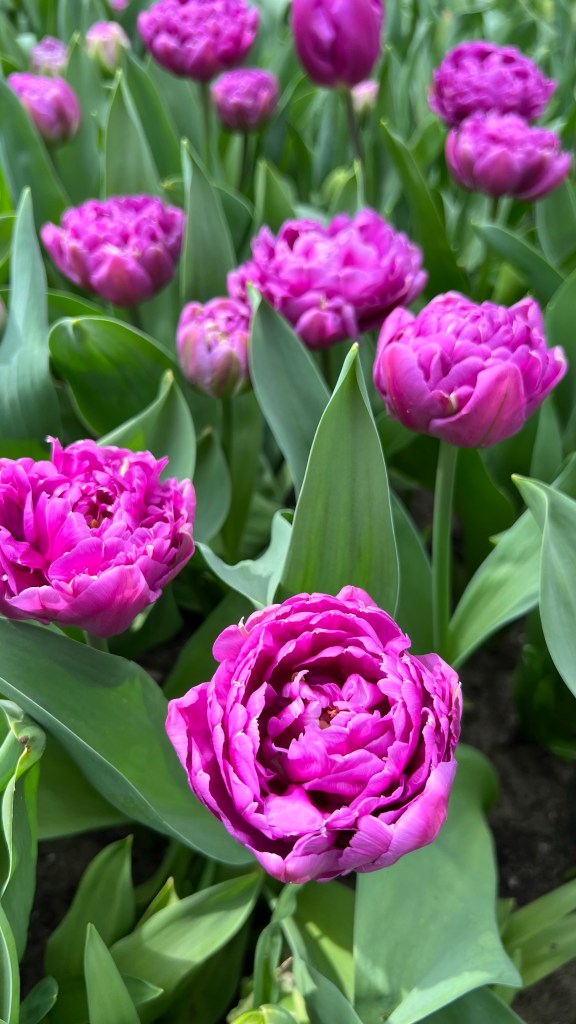
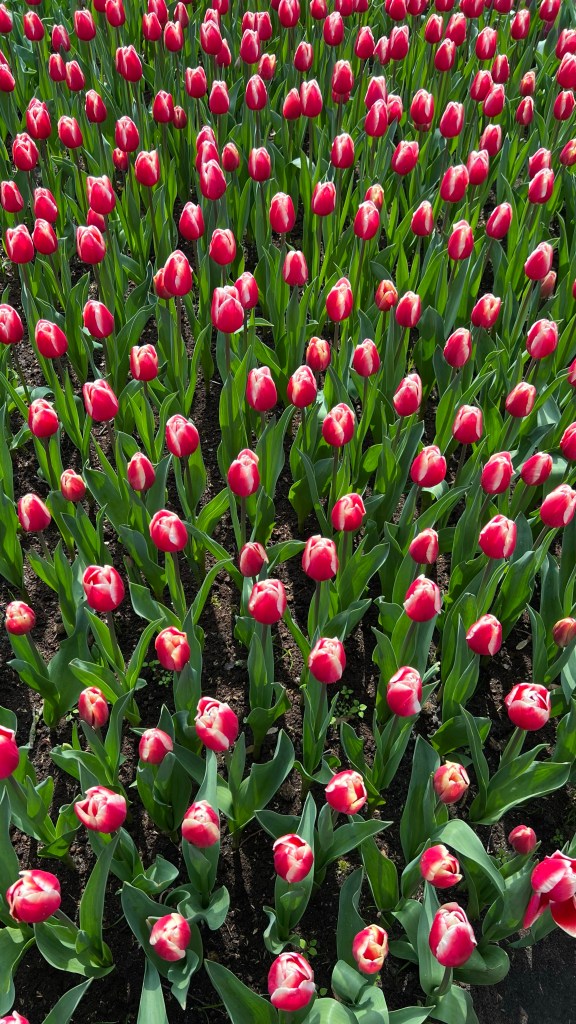
One of the things we felt like we missed was the expansive fields of color at the flower farms that are sometimes depicted in photographs. We saw some of them driving, and we saw them a bit at the daffodil farm, but we were all expecting the larger more dramatic views. It was a minor disappointed, mostly offset by our time at Keukenhof.
When our time was up at Floral Disney, we boarded the bus for a ride to a boat which was going to take us on a canal tour. We were excited about the chance to see windmills instead of flowers, and looked forward to enjoying some time on the water.
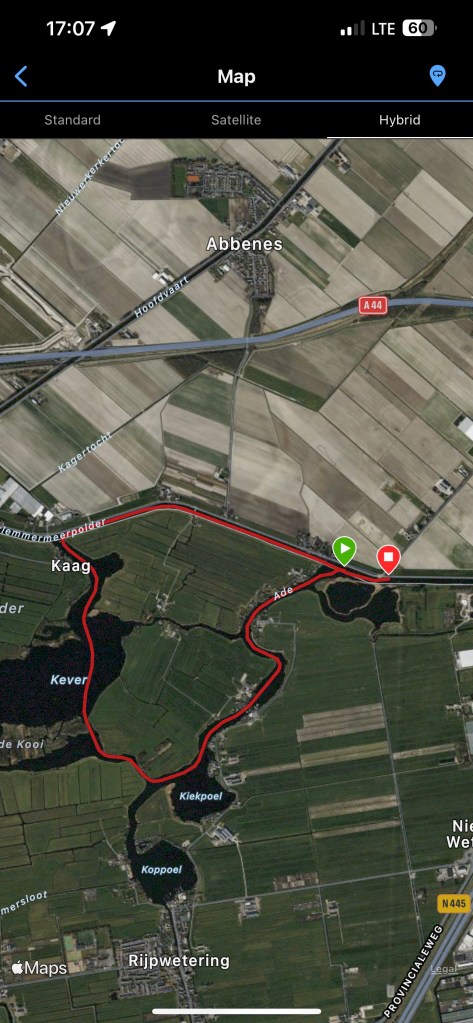
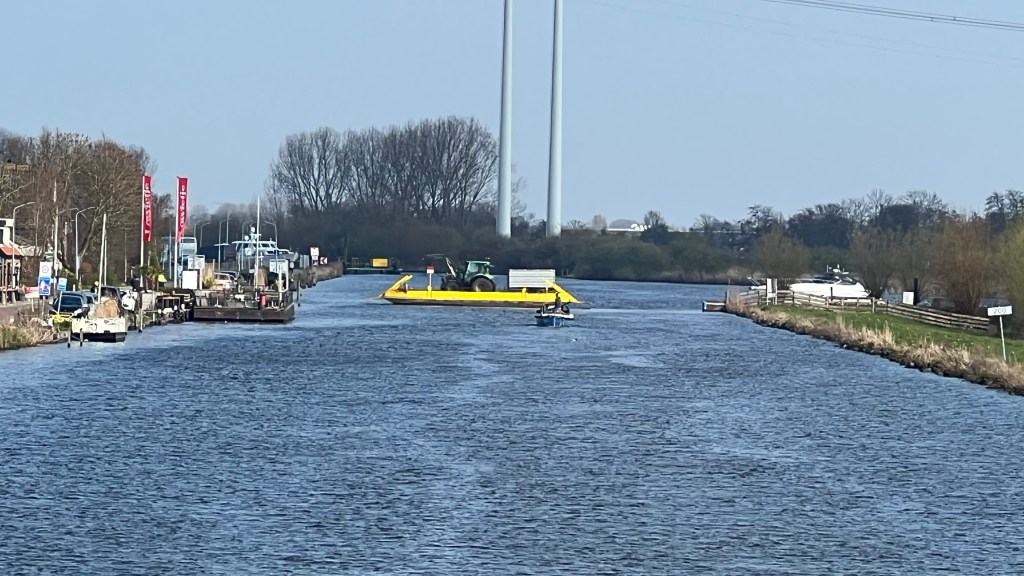
However, we didn’t expect to stop in the middle of nowhere, park the monstrous double decker bus on the side of a road, and then walk across that road to a canal with a boat at least three times too big for that body of water. The boat was a relatively new double decker ferry with an open top that could have easily held another tour bus full of people.
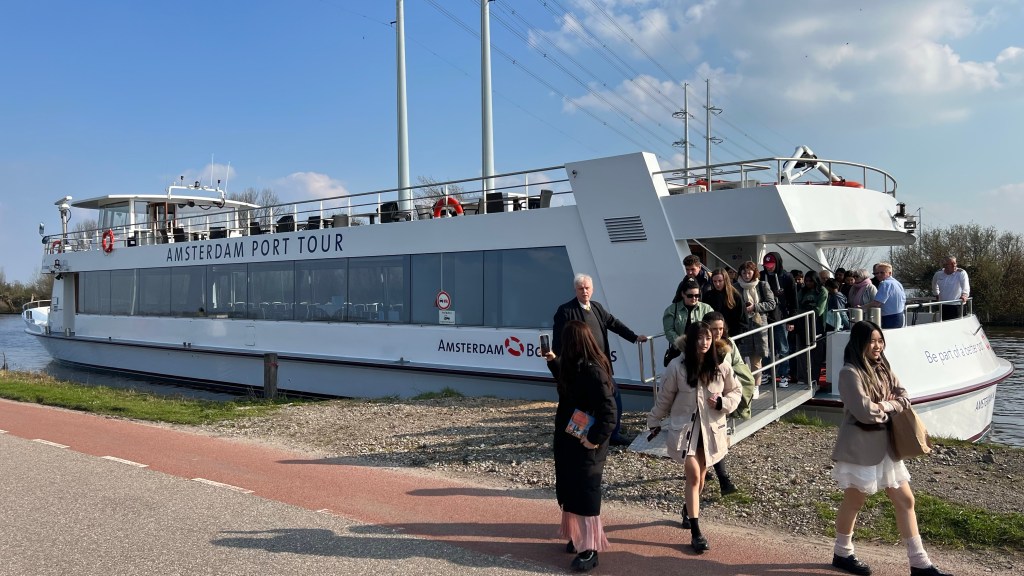
To put that boat in context, it was almost half as wide as the canal, and most other boats we saw were less than a quarter its size. We made a very interesting aquatic 32 point turn to head in the right direction before making a decent size loop for the lakes and canals.
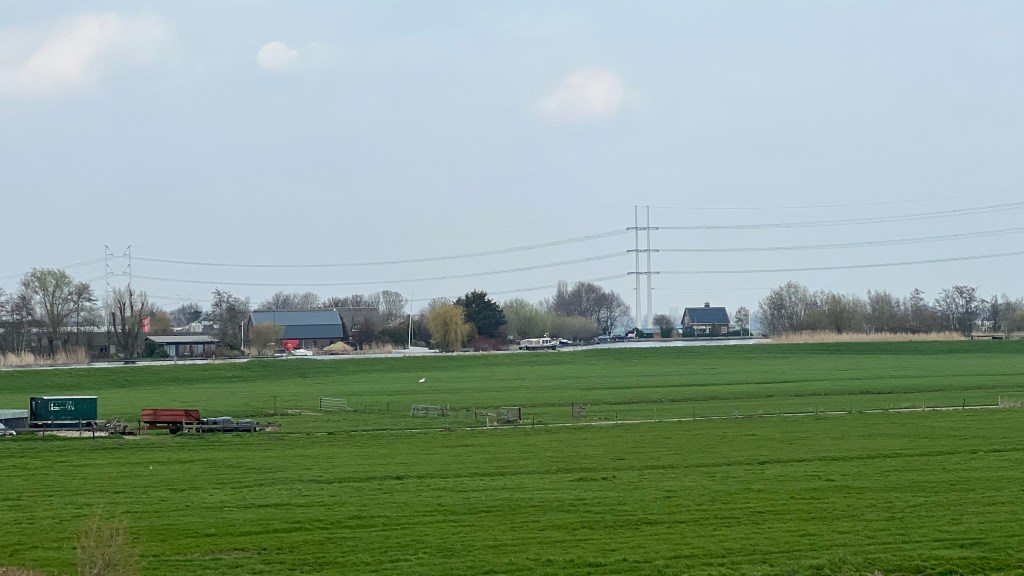
It was really interesting to see the land and how its been developed. As someone who grew up in a coastal area, full of estuaries, it didn’t look completely dissimilar. Except instead of marsh grass there were agricultural fields. Oh, and the water level of the canals was easily 20 feet about those fields. That might not immediately register, and the pictures don’t totally do it justice, but it was strange being on a boat with casually flowing water, and 99% of the surrounding land being significantly below water level.
This was a great example of Dutch engineering and the use of windmills to run elaborate pumping processes to dewater an area that used to be a massive tidal lake to turn it into agricultural land. And that was done many many years ago, way before you would think it would be possible. But they did it. And the area is thriving. There are houseboats in little inlets. Islands with homes consisting of farms and ultramodern cottages side by side. The whole area is a conundrum and comprised of things that shouldn’t exist. It was amazing.
We did see a number of windmills dating back to the 1500 and 1600’s. None of them were presently working even though our Dutch captain and tour guide assured us with a very detailed explanation that “They do turn. Just not today.” He was hysterical. Where our tour bus driver could talk the legs off a chair, this guy was a master of concise communication, specializing in sentences of five words or less.
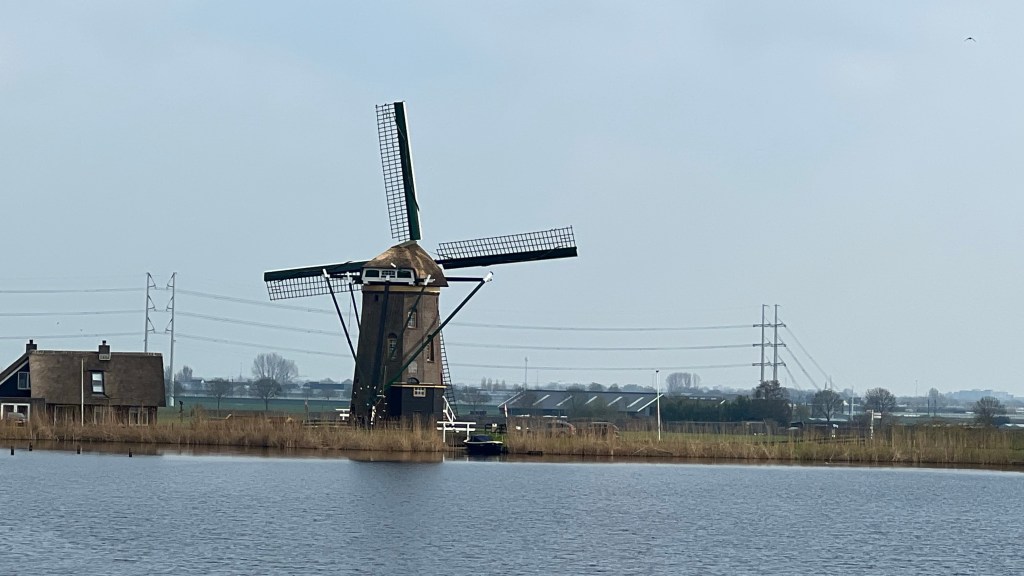
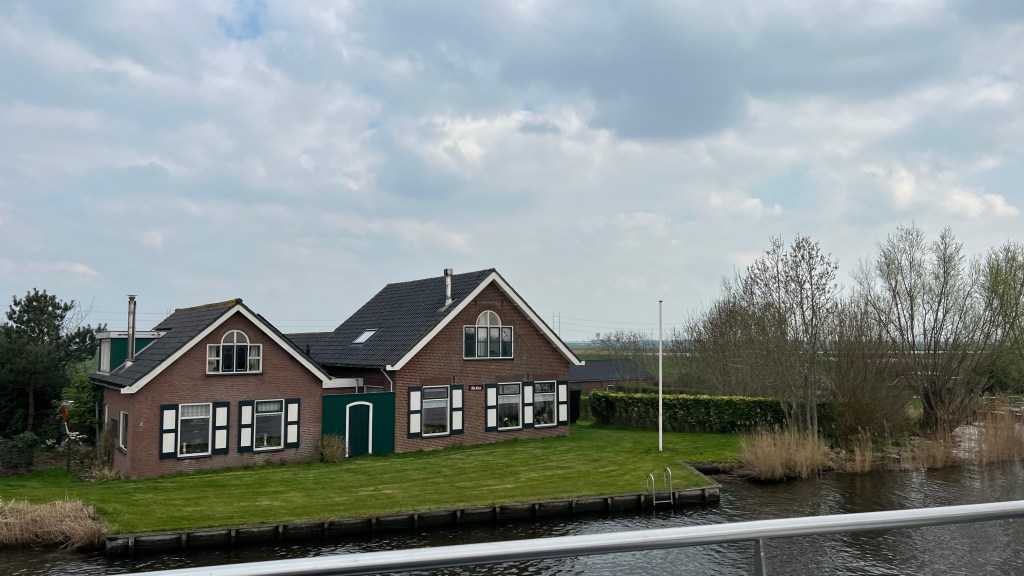
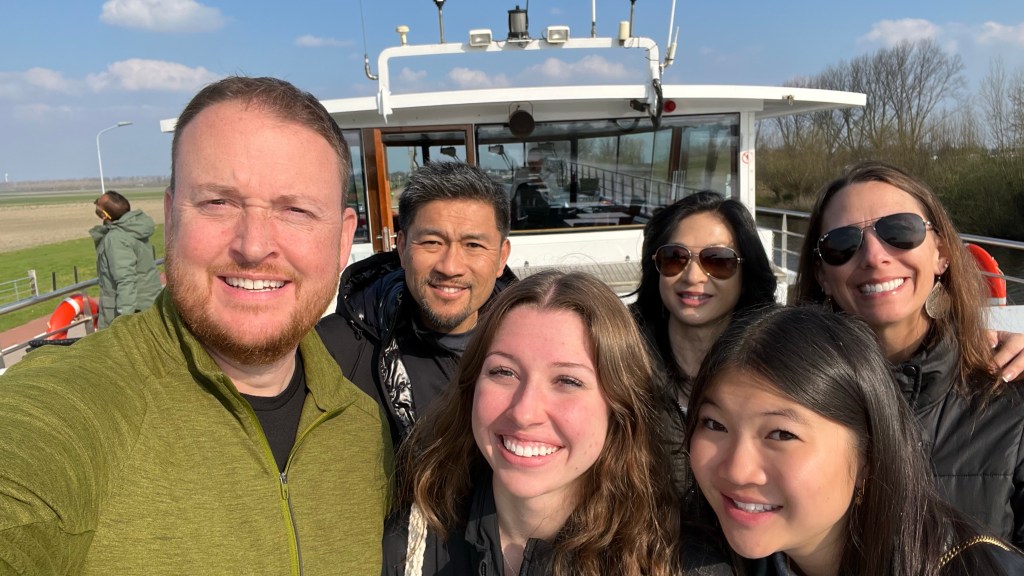
The tour was brief, too brief for us. The sun was out and we were having a great time on the top deck. The boat was nearly silent and we were munching on stroopwaffles. From there we had to jump back on the bus and ride back to Amsterdam, getting back to the city a little before 6pm.
Dinner wasn’t until 7:30ish at a restaurant Wendy booked. So we spent some time wandering around and noticed that most of the city was predictably shut down on the evening of Easter Sunday. We decided to stop by the restaurant a little early and they were able to take us right in, a pleasant surprise.
Casa di David is a very nice Italian restaurant a canal over from the Anne Frank Museum. We all enjoyed big meals, a couple bottles of wine (from someplace called Montepulciano that sounded familiar), and shared desserts. It was the perfect way to close out our trip.
But we had to do one more thing.
It was a little before ten as we were wrapping up dinner. And if we made a minor detour from where we needed to go, we could take a stroll through the main stretch that made the Red Light District famous. So that’s what we did.

Was it busy? Yes. Was it a predominantly male crowd? Yes, but not as much as I had expected. Was it total debauchery? No.
It seems as though the expectations are worse than reality. While there are women standing in red lit windows, who are in fact prostitutes, they were wearing clothing not much more revealing than a bikini. They ranged from smiley and trying to engage with people passing by, to seeming almost disinterested while having a drink or drag off a vape pen. There were signs and screens advertising live shows, stores with window displays, and other such things, but most of the sense of something which potentially offend would be the context someone carried into the District with them.
The whole thing was, just as mentioned in a previous post, more of a curiosity than anything. At least for us.
Once leaving that area and strolling back into a more normal part of the city, we prepared to say goodbye to the Kings and head back to our house. It was a fantastic, albeit too short, trip. We had a great time as a group and spent a lot of it talking and laughing while experiencing new things together. That is the benefit of traveling with close friends. It was almost as if we lived more than five miles apart. Before we had even parted ways, Will asked the perfect question: “Where next?”
I guess we will have to wait and see!

 The Life and Times...
1) Chloe should wander up to Portland some spring–much closer than Amsterdam– as the Wooden Shoe Tulip Farm to the south of us has forty acres of fields and is a big spring attraction with early/mid/late season tulips extending the bloom time
2) our World Market ALWAYS carries stroopwafels and there is a Dutch store across the river as well